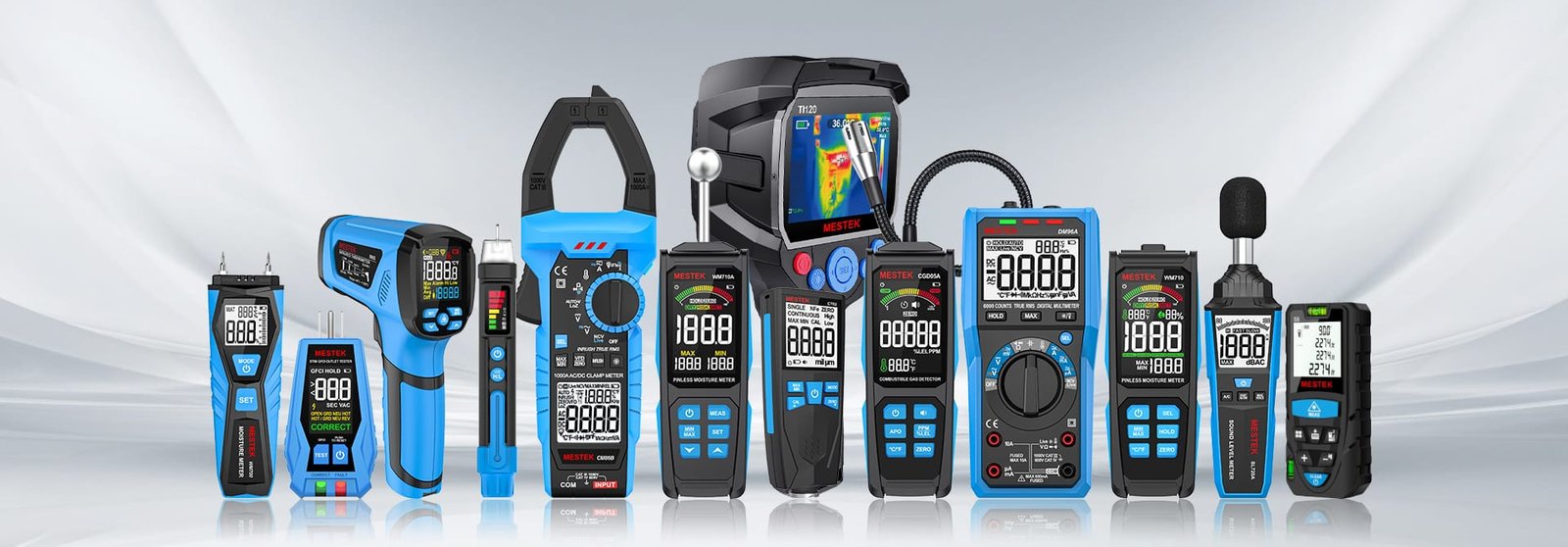
In our current technological age, we are surrounded by invisible waves of energy – electromagnetic fields (EMF). From our smartphones, routers, and various home electronics, electromagnetic fields (EMF) have become part of our daily lives. It’s inevitable, and the convenience brought by technology is bound to have its own drawbacks. But do we need to worry about the electromagnetic radiation brought by these daily electronic products? Considering that we can use EMF meters to understand the electromagnetic radiation around us, this anxiety can be avoided.
What is an EMF meter? What does it do?
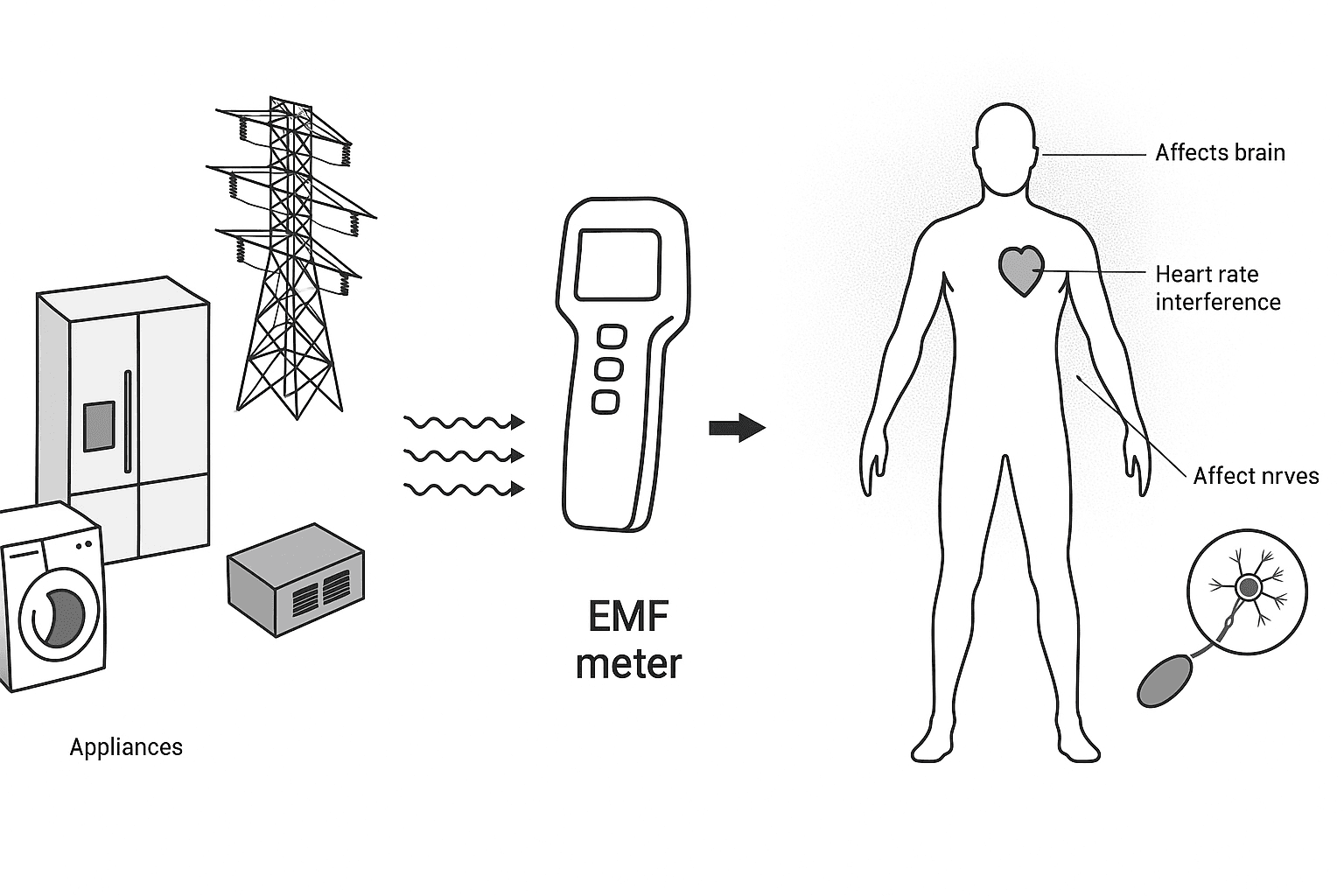
An EMF meter is a handheld device used to detect and measure electromagnetic radiation. These meters can identify various types of fields – usually divided into electric fields, magnetic fields, and radio frequency (RF) radiation. Most consumer-grade EMF meters display real-time data, usually in microteslas (µT) (magnetic fields) or milliwatts per square meter (mW/m²) (RF signals).
More advanced models can distinguish between low-frequency EMFs (from power lines and household appliances) and high-frequency EMFs (such as Wi-Fi and Bluetooth). Some even come with sound or color-coded displays for easier data interpretation.
Why do we need to use an EMF meter?
Exposure to electromagnetic fields is inevitable and may affect our sleep and even physical health, although science has always disputed this statement. However, many homeowners, tenants and even businesses currently use EMF meters to detect this radiation.
What are the use scenarios of EMF meter?
- Testing Wi-Fi radiation at home or school.
- Locating high electromagnetic field hotspots around distribution panels or equipment.
- Evaluating shielding solutions in electromagnetic shielding paints or fabrics.
- Providing support for people with electromagnetic field sensitivity (people who report symptoms of “electromagnetic sensitivity”).
- Whether you are curious or very concerned, emf meters allow you to control your exposure.
How do we choose an electromagnetic field detector?
- Is it able to measure low and high frequency ranges?
- Is the measurement sensitivity of the EMF meter acceptable?
- Is the instrument digital? Does it have a backlight?
- Audible alarms to help locate hidden electromagnetic field (EMF) sources.
- Portability due to its lightweight design is perfect for everyday home use.
The MESTEK EMF02R is a market leader, a high-performance emf meter designed for modern users who are concerned about electromagnetic radiation. The meter covers a wide test bandwidth of 30MHz to 8GHz, and its magnetic field detection range is 0.1–199.9mG (0.01–19.99μT). The EMF02R is equipped with a color LCD display, single-axis sensing, and a fast 0.3-second sampling rate to ensure clear readings and timely responses.
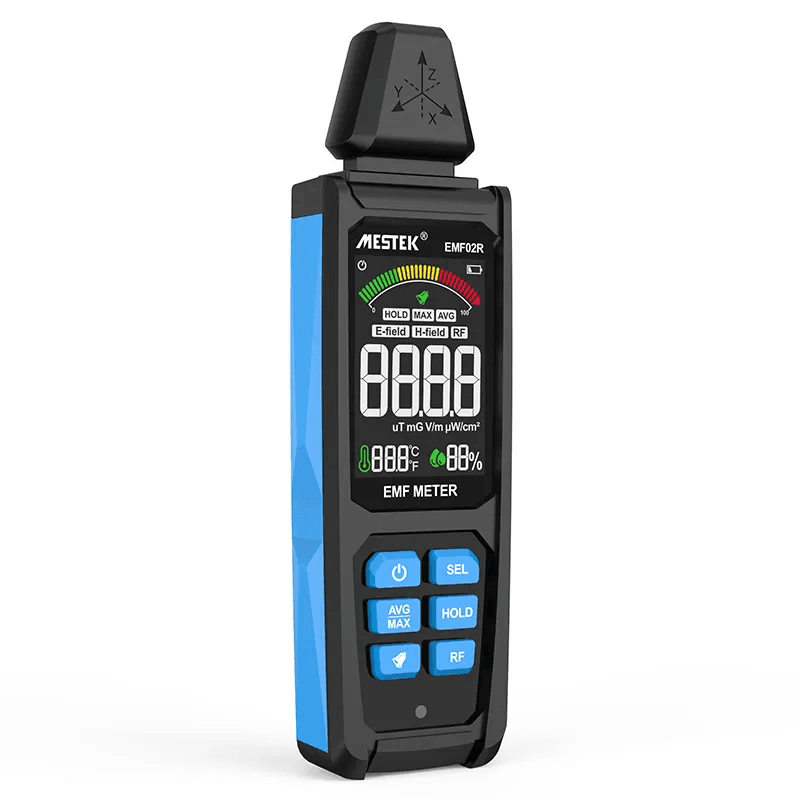
Suitable for use in homes, offices, industrial areas, and near base stations or high-speed rail systems, the EMF02R is a reliable choice for anyone who needs to conduct comprehensive EMF measurements in different environments.
Conclusion
As our environment becomes increasingly saturated with electronic devices, it is more important than ever to understand electromagnetic field (EMF) exposure. A reliable emf meter is a valuable tool for improving awareness and prevention. This can not only help us discover hidden sources of radiation, but also provide us with tools to reduce our own worries, which is part of health.