Measuring inrush current—also known as surge current—is critical when diagnosing equipment that experiences sudden bursts of electricity during startup. Motors, compressors, HVAC systems, and even vehicle engines all produce inrush currents that, if left unmeasured, can lead to overlooked failures or incorrectly sized protective components.
What Is Inrush Current?
Inrush current is the initial surge of current drawn when electrical devices are powered on. It can be 5–10 times higher than the steady-state current, lasting only milliseconds—but those milliseconds can damage circuits, trip breakers, or mislead diagnostics if not properly monitored.
Example: An air compressor may normally draw 8A, but on startup, it could briefly pull 60A or more.
Why Use a Clamp Meter for Inrush Current?
Clamp meters with inrush current functionality are non-invasive tools that let you:
- Measure high current safely without disconnecting wires
- Capture peak startup current within milliseconds
- Analyze electrical performance under load
- Troubleshoot nuisance tripping or underperforming devices
A regular clamp meter may only show average RMS current. For inrush, you need a meter that specifically features “INRUSH” mode.
How to Measure Inrush Current?
1. Choose a Clamp Meter with Inrush Mode
Make sure your meter explicitly supports inrush current measurement.
2. Set the Meter to Inrush Mode
Most models have a dedicated button or mode selector for INRUSH.
3. Clamp Around One Conductor Only
Never clamp around both hot and neutral wires together—current will cancel out.
4. Start the Device
Trigger the startup while the meter is active in inrush mode.
5. Read the Peak Current
The clamp meter will capture and hold the maximum current drawn during the first few cycles.
Recommended Clamp Meters with Inrush Current Capability
Here are three professional-grade clamp meters you can rely on for accurate inrush current testing:
Fluke 376 FC Clamp Meter
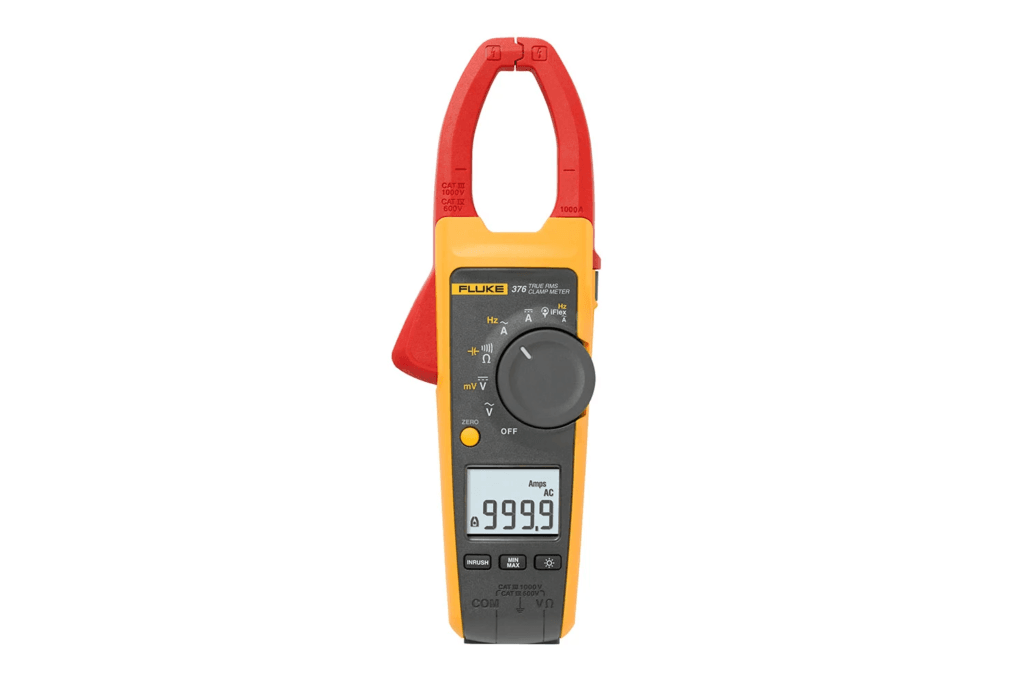
Inrush Current Measurement: Yes
True RMS + iFlex Flex Probe: For measuring around awkward wires
Max Current: Up to 2500A (with iFlex)
Other Features: Logging, wireless connectivity via Fluke Connect
Why Choose: Trusted by professionals for heavy-duty industrial measurements.
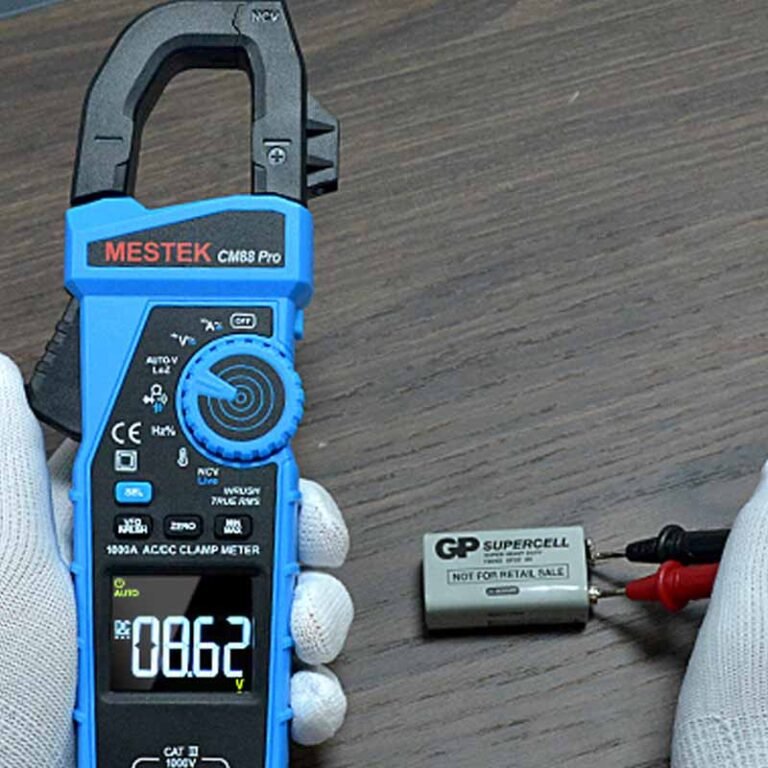
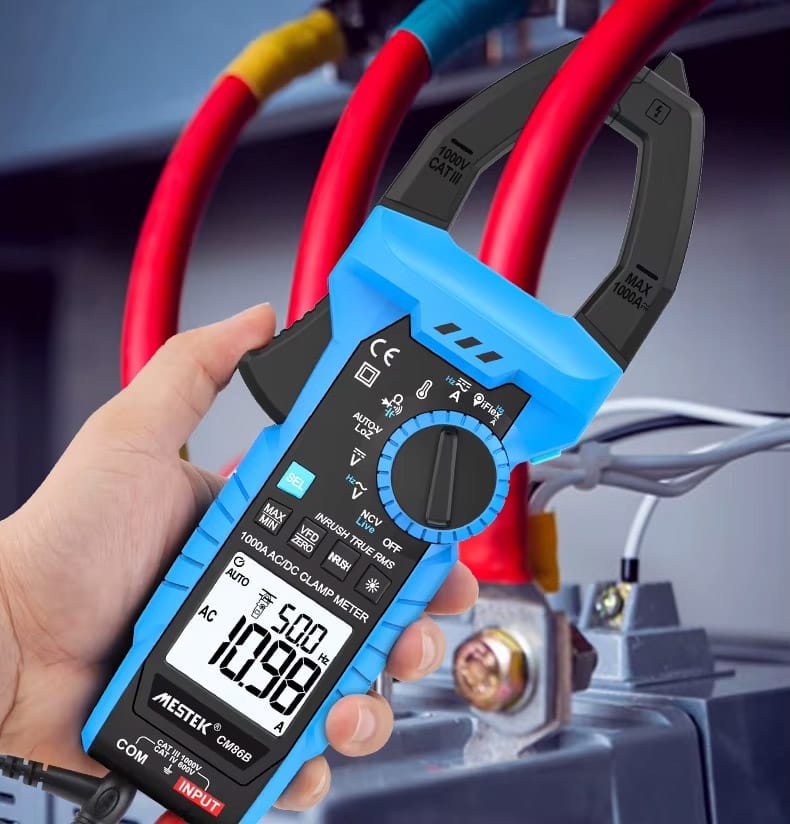
MESTEK CM86B Clamp Meter
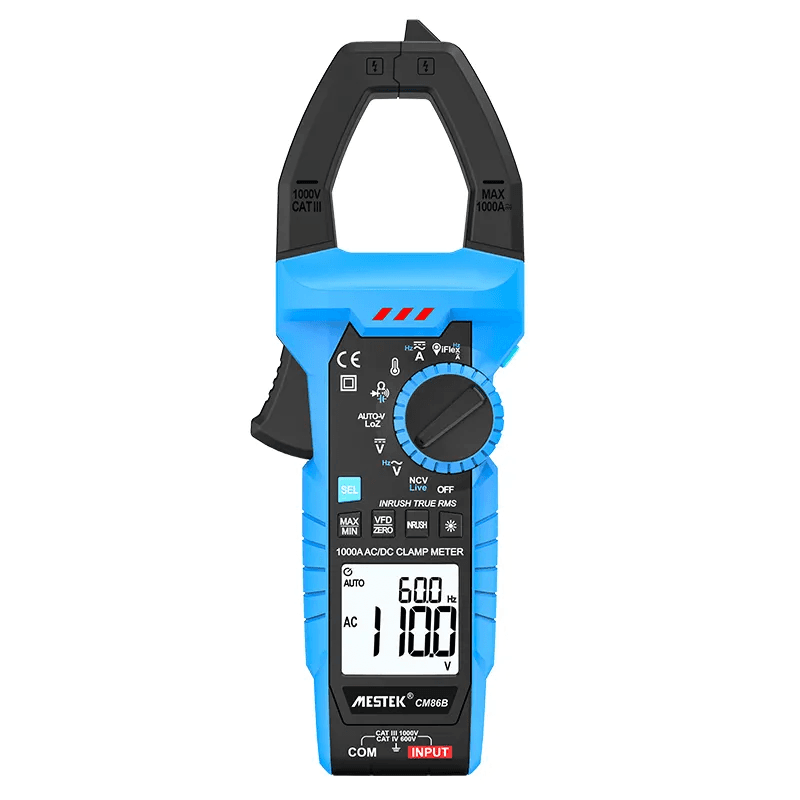
Inrush Current Measurement: Yes
True RMS: For accurate AC measurements
Max Current: Up to 1000A
Other Features: NCV, temperature, capacitance, diode test
Why Choose: Feature-rich clamp meter ideal for electricians and HVAC professionals who need to perform surge diagnostics.
Klein Tools CL800
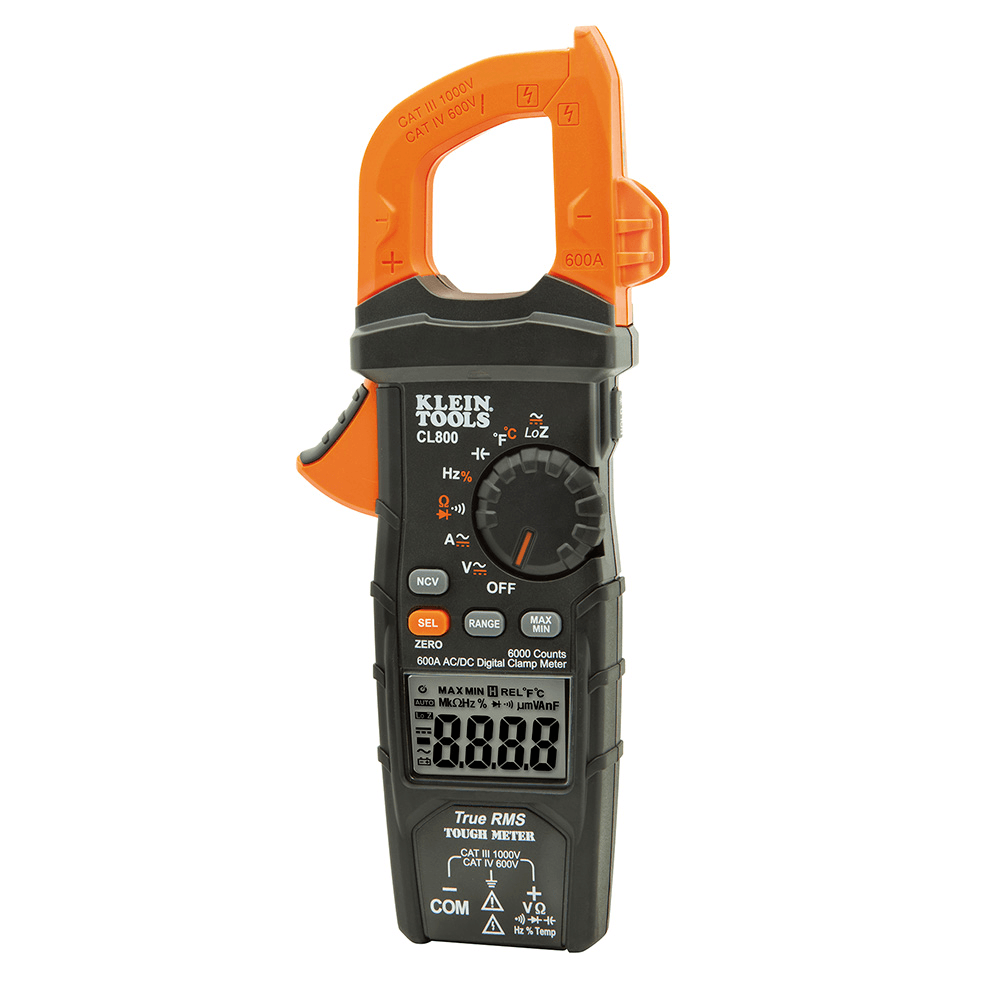
Inrush Current Measurement: Yes
True RMS: Accurate for non-linear loads
Max Current: Up to 1000A
Other Features: LoZ mode for ghost voltage elimination, temperature measurement
Why Choose: Affordable, rugged, and suitable for general electrical and HVAC work.
UNI-T UT210E Pro Clamp Meter
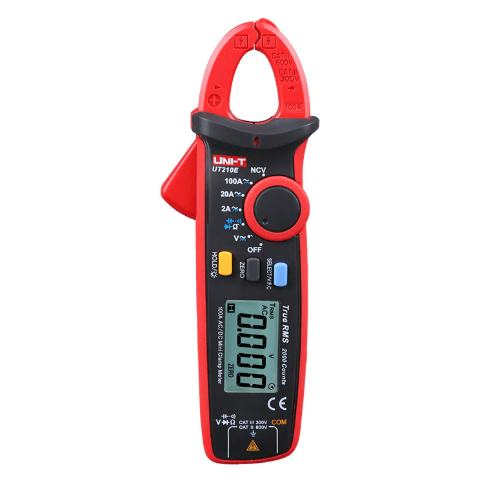
Inrush Current Measurement: Yes (short burst current supported)
True RMS: Yes
Max Current: Up to 200A
Other Features: Compact size, auto range, voltage/resistance/capacitance/continuity test
Why Choose: A highly portable clamp meter, ideal for low-current inrush testing in electronics, control panels, and automotive wiring diagnostics.
Extech MA445 Clamp Meter
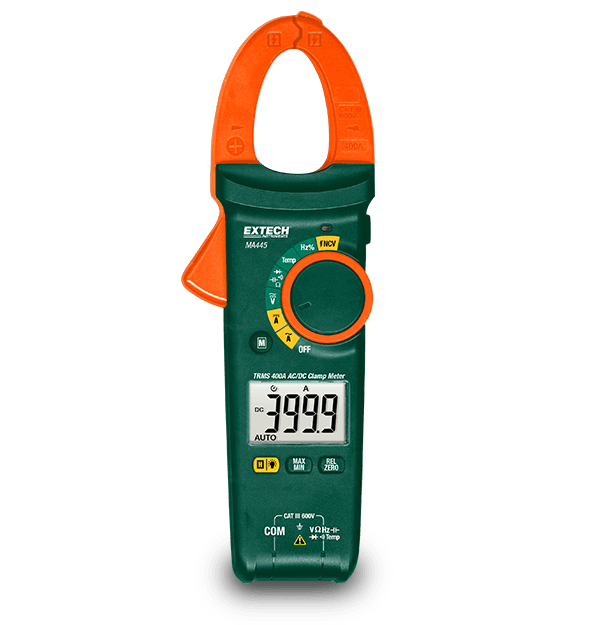
Inrush Current Measurement: Yes
True RMS: Yes
Max Current: Up to 600A AC/DC
Other Features: Dual display, non-contact voltage, temperature probe, frequency and duty cycle
Why Choose: A mid-range clamp meter with solid inrush performance and a wide feature set, well-suited for HVAC and industrial techs.
Pro Tips
- Use clamp meters with fast sample rates (≥1kHz) for better inrush capture.
- Always verify safety ratings (CAT III or IV) depending on your working environment.
- For automotive applications, ensure the clamp meter handles 600A+ inrush, especially for diesel engines.
Conclusion
Inrush current testing is essential for uncovering startup issues in motors, HVAC compressors, and even automotive systems. By using a clamp meter equipped with INRUSH mode—like the MESTEK CM86B—you’ll get safe, accurate, and actionable readings within seconds.