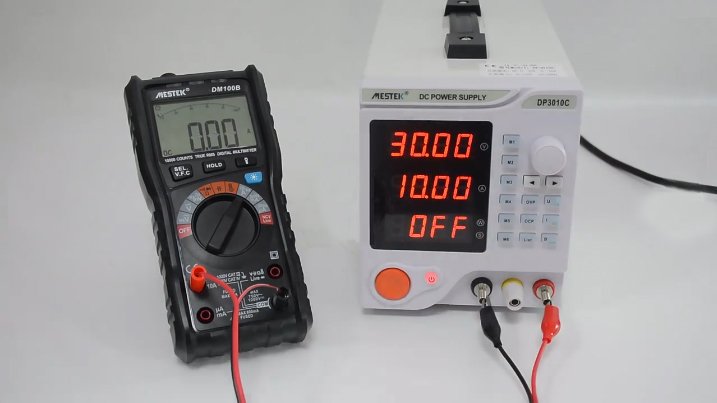
A DC power supply is one of the most essential tools in electronics, engineering, and industrial applications. From powering laboratory experiments to testing consumer electronics, a reliable DC source ensures stable performance and accurate results.
What is the function of DC Power Supplies?
A DC power supply is an electrical device that converts alternating current (AC) from the mains into regulated direct current (DC) output. Its primary function is to deliver a stable voltage and current to electronic circuits, devices, or systems.
Unlike AC power sources, DC power supplies deliver current in a single direction, making them ideal for testing and powering sensitive electronic components.
How Does a DC Power Supply Work?
The operation of a DC power supply involves several stages:
AC Input – The power supply receives AC electricity from the grid.
Rectification – A rectifier converts AC into pulsating DC.
Filtering – Capacitors or inductors smooth the DC signal to reduce ripples.
Regulation – Voltage regulators adjust the output to maintain constant voltage and current.
Output Delivery – The supply provides stable DC to the load (device under test).
This conversion ensures electronic devices receive consistent power without fluctuations.
What are the types of DC power supplies?
There are multiple categories of DC power supplies, each suited to different applications.
Linear DC Power Supply
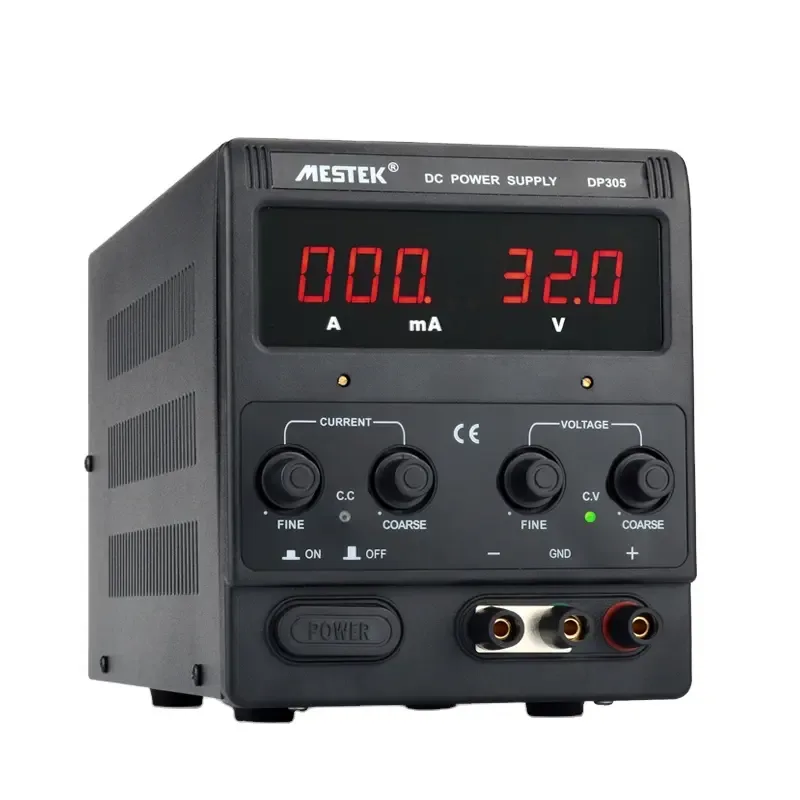
Linear power supplies are simple, reliable, and provide very clean output voltage with low ripple.
Switching DC Power Supply
Switching power supplies are more efficient and compact but may introduce high-frequency noise.
Programmable DC Power Supply
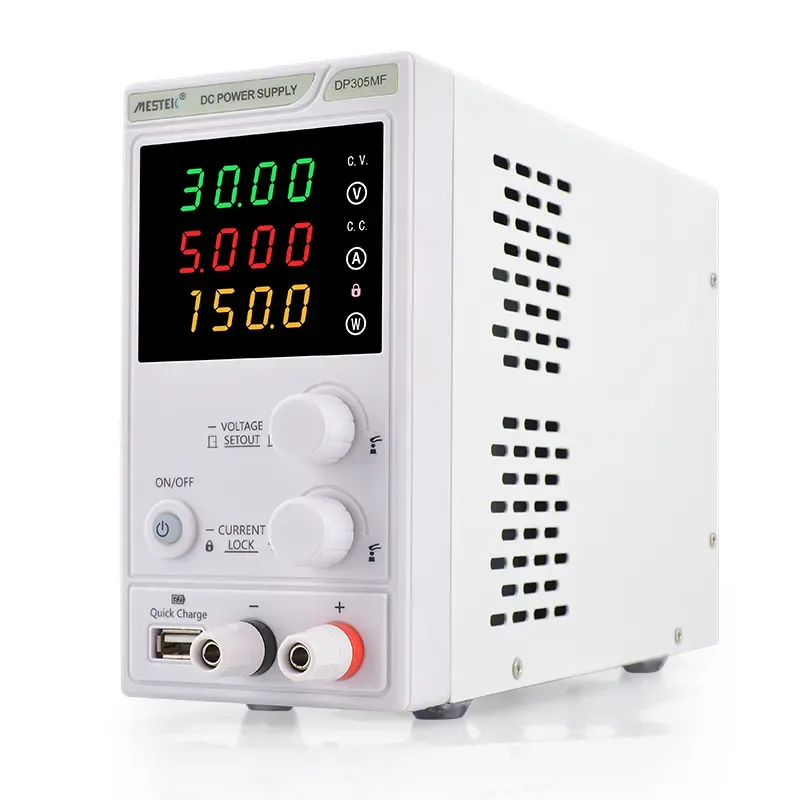
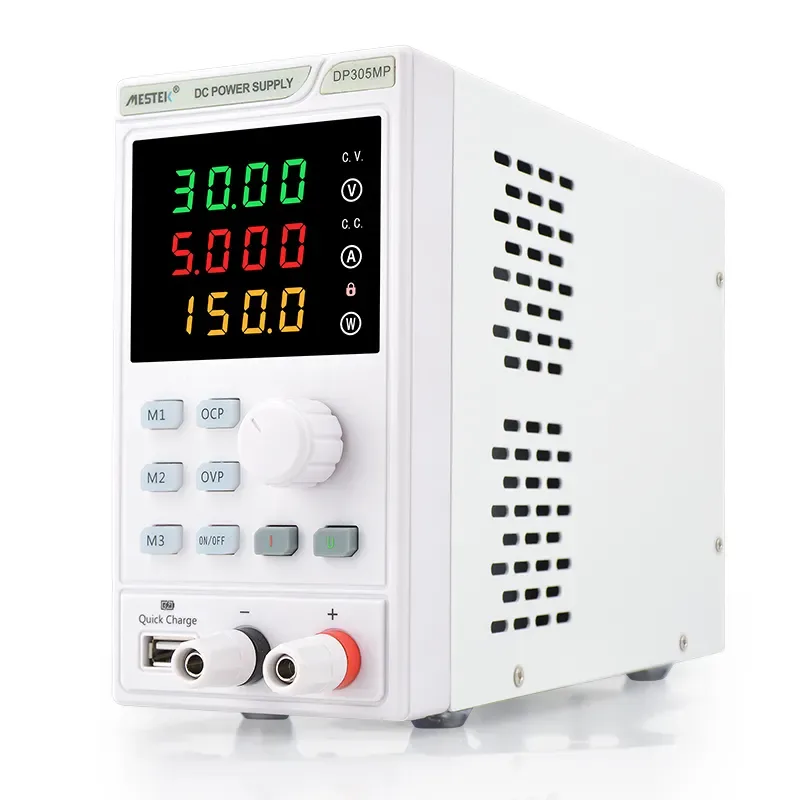
These allow you to set output voltage and current digitally, ideal for automated testing and labs.
Bench/Laboratory Power Supply
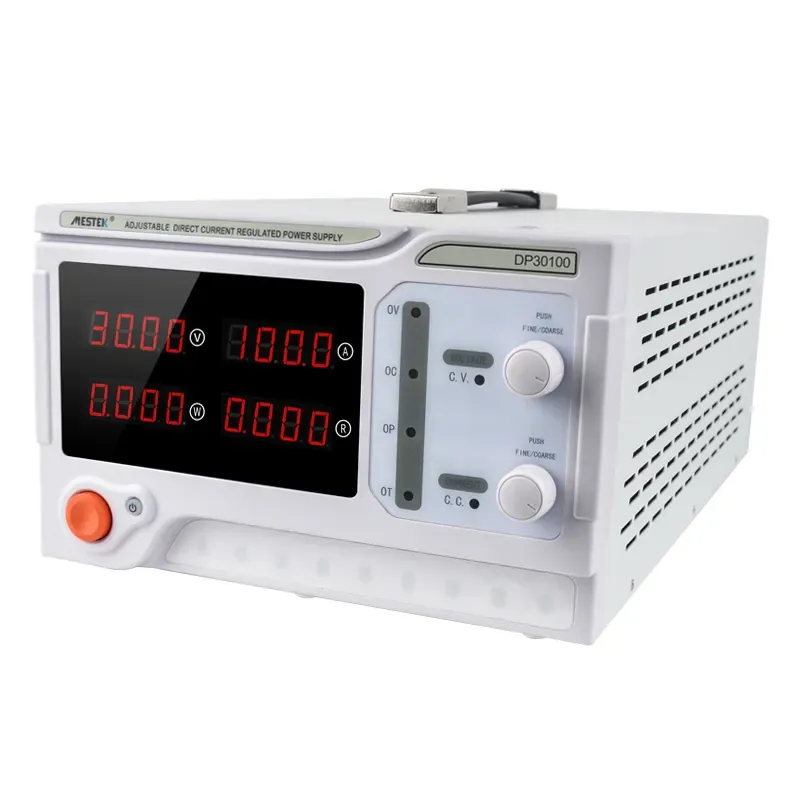
Bench or laboratory power supplies are designed for electronics labs and prototyping. They usually offer multiple output channels, fine voltage/current adjustment, and built-in measurement displays.
Unregulated Power Supply
Unregulated power supplies deliver voltage that varies with load. They are simple and inexpensive, but not suitable for sensitive or precise electronics work.
| Type | Key Features | Advantages | Limitations | Common Applications |
| Linear Power Supply | Uses linear regulators | Very stable, low noise | Inefficient, bulky | Audio, lab experiments |
| Switching Power Supply (SMPS) | High-frequency switching | Compact, efficient | Higher ripple & noise | Computers, telecom |
| Programmable Power Supply | Software-controlled | Flexible, automation-ready | Higher cost | R&D, automated testing |
| Bench/Laboratory Power Supply | Adjustable output | Ideal for prototyping | Limited portability | Electronics labs |
| Unregulated Power Supply | Simple design | Low cost | Output varies with load | Basic circuits |
Explore other types of DC power supplies:
Key Specifications of DC Power Supply
When selecting a DC power supply, engineers must evaluate several technical specifications:
| Specification | Description | Why It Matters |
| Voltage Range | Adjustable output voltage | Ensures compatibility with devices |
| Current Range | Maximum current output | Prevents overloads |
| Power Output (W) | Product of V × I | Determines load capacity |
| Line Regulation | Stability against input changes | Maintains accuracy |
| Load Regulation | Stability against load changes | Prevents voltage drops |
| Ripple & Noise | Residual AC components | Impacts sensitive circuits |
| Protection Features | OVP, OCP, SCP | Protects both device & supply |
Applications of DC Power Supplies
DC power supplies are versatile and widely used across industries:
- Electronics Design & Testing – Powering prototypes and circuits
- Manufacturing & Quality Control – Ensuring product reliability
- Research Laboratories – Supporting experiments with stable DC
- Communication Systems – Powering telecom and networking equipment
- Consumer Electronics Repair – Testing phones, laptops, and appliances
How to Choose the Right DC Power Supply
Selecting the correct DC supply depends on application requirements. Consider the following factors:
- Voltage and Current Needs – Calculate power using P = V × I.
- Number of Channels – Single vs multi-channel outputs.
- Programmability – Useful for automation and advanced testing.
- Portability – Benchtop vs rack-mounted models.
- Safety Standards – Look for certifications (CE, UL, CAT ratings).
For example, a research lab may prefer a programmable bench power supply, while a production line may prioritize multi-channel switching supplies.
Benefits of Using a Reliable DC Power Supplies
Stable voltage ensures accurate test results
Built-in protection improves safety and reliability
High efficiency reduces energy costs
Longevity of both supply and connected devices
Future Trends in DC Power Supply
The DC power supply market is rapidly evolving with technology, moving toward high-efficiency SMPS designs that minimize power loss, smart programmable supplies integrated with IoT connectivity, eco-friendly green designs for energy savings, and advanced remote control with cloud integration to support industrial monitoring and automation.
Conclusion
A DC power supply is an indispensable tool for electronics and testing. By understanding the types, applications, and selection criteria, you can ensure accurate measurements and reliable performance in your projects.
Looking for a reliable solution? Explore MESTEK DC Power Supplies designed for professionals in laboratories, manufacturing, and industrial testing.