Learn to use a multimeter in one minute – a beginner’s guide

From understanding a multimeter to using it like a pro. Whether you are a DIY enthusiast or a professional technician, it is important to know how to use a multimeter. This guide focuses on digital multimeters.

Recognize the symbols of a multimeter

When you see the dial of a digital multimeter, are you scared by the dense numbers? Don’t worry, a table will help you understand the multimeter symbols.

V-DC voltageMeasuring AC voltage at household sockets
V~AC voltageMeasures DC voltage, typically found in batteries
ACurrentMeasures current (applicable in both AC and DC modes)
ΩResistanceMeasures the resistance of a circuit or component
NCVNon-Contact Voltage TestAvoid direct contact with live wires
HzFrequencyMeasures the frequency of a signal, commonly used in audio, radio, etc
▶|IDiodeTests diodes to confirm that current flows in one direction
🔊buzzerTests circuit integrity by sounding a beep

Digital multimeter are divided into manual multimeters used by professionals, and automatic and smart multimeters for daily use. In the early learning stage, we recommend using an automatic or smart multimeter because it is easy to use and has higher accuracy.

DM91A multimeter in action distinguishing neutral and live wires
DM91A multimeter being used to test AC voltage frequency and distinguish between neutral and live wires with high precision.

Use of test leads

Insert the red test lead into the VΩ hole and the black test lead into the COM hole to measure DC voltage, AC voltage, resistance, capacitance, diode, transistor, check circuit continuity, etc. Insert the black test lead into the COM hole, measure mA level current or μA level current and insert the red test lead into the mA current dedicated jack. The COM hole, also known as the common end, is a jack specifically inserted into the black test lead. To measure currents higher than mA level, insert the red test lead into the 10A or 20A hole and the black test lead into the COM hole.

Multimeter Application

(1) Voltage test: Measures battery voltage, wall outlet power, or circuit board voltage.

(2) Current test: Identifies current in a circuit to troubleshoot.

(3) Resistance test: Checks for faults in resistors, wires, or electronic components.

(4) Diode test: Verifies diode functionality and polarity.

(5) Continuity test: Ensures wiring connections are intact, especially useful in automotive and home repairs.

When using a multimeter, you should always check whether the recent instrument tools are reliable. Otherwise, it will cause you trouble next time you use it, and misjudgment will cause maintenance and inspection difficulties.
Share our interesting knowledge and stories on social media

Have questions? Get a quote

Want to learn more? Click the button now.

More Posts>>>

wood moisture control using a handheld moisture meter to measure moisture levels in wooden boards.

Moisture Control in Wood Manufacturing: Why It Matters

Wood is one of the most widely used materials in manufacturing, but it is also highly sensitive to moisture. If moisture levels are not properly controlled during production, wood products can warp, crack, shrink, or even develop mold after delivery. For manufacturers, this doesn’t just affect product quality — it can lead to customer complaints, production delays, material waste, and increased costs. That’s why moisture control has become a standard part of quality management in modern wood manufacturing. Why Moisture

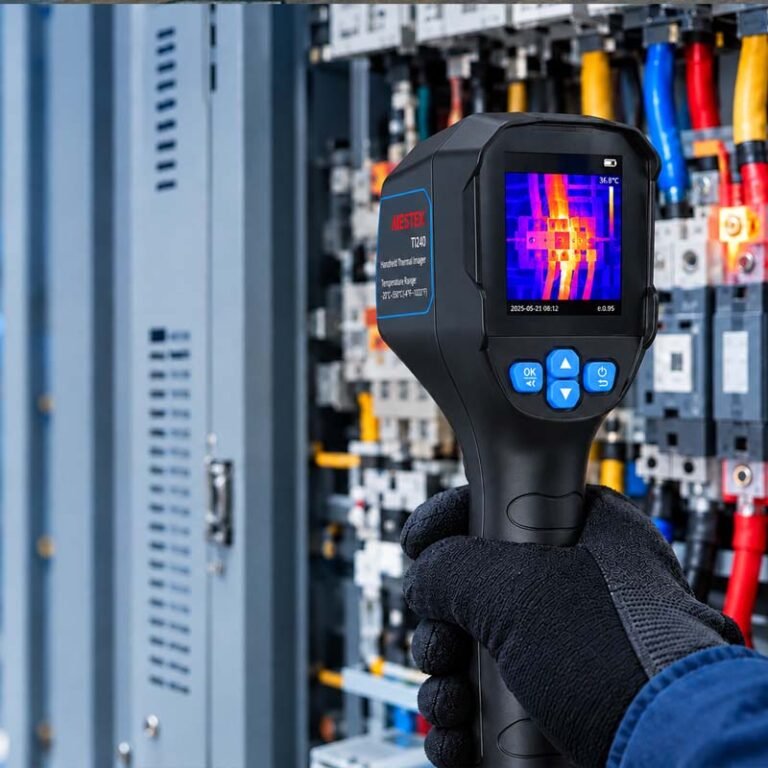
Thermal imaging for electrical inspection used to detect overheating circuit breakers in industrial power systems.

Thermal Imaging for Electrical Inspection in Industry

Electrical systems rarely fail without warning — the problem is, those warning signs are often invisible. Overheating connections, overloaded circuits, and failing components can go unnoticed until they lead to costly downtime or even safety incidents. That’s where thermal imaging becomes extremely useful. Instead of guessing or relying only on manual checks, technicians can quickly “see” temperature differences and identify problems early. Why Electrical Systems Require Thermal Inspection In industrial environments, electrical equipment operates under continuous load. Over time, this

The image illustrates the application of programmable power supplies in real-world scenarios.

What Is a Programmable DC Power Supply and How It Works

In modern electronics testing and development, power supply control is no longer limited to manual adjustment. As systems become more complex, engineers and technicians need more precise and repeatable ways to manage voltage and current. This is where a programmable DC power supply becomes useful. It allows users to control output settings digitally, making testing more efficient and consistent. What Is a Programmable DC Power Supply A programmable DC power supply is a regulated power source that can be controlled

CGD02A Combustible Gas Detector Handheld Design

Combustible Gas Leakage and Detection [2026 Guide]

Combustible gas leaks pose silent, but deadly dangers. Whether it’s a leak in a family home or a leak in a massive factory, invisible gas leaks can set off explosions, fires, and toxic fumes. In industries such as manufacturing and chemical processing, a single leak can cause catastrophic accidents, costly repairs, and even loss of life. Gas leak detection technology has come a long way over the last 120 years. Modern gas leak detectors use sophisticated electronic sensors and infrared

Get more information

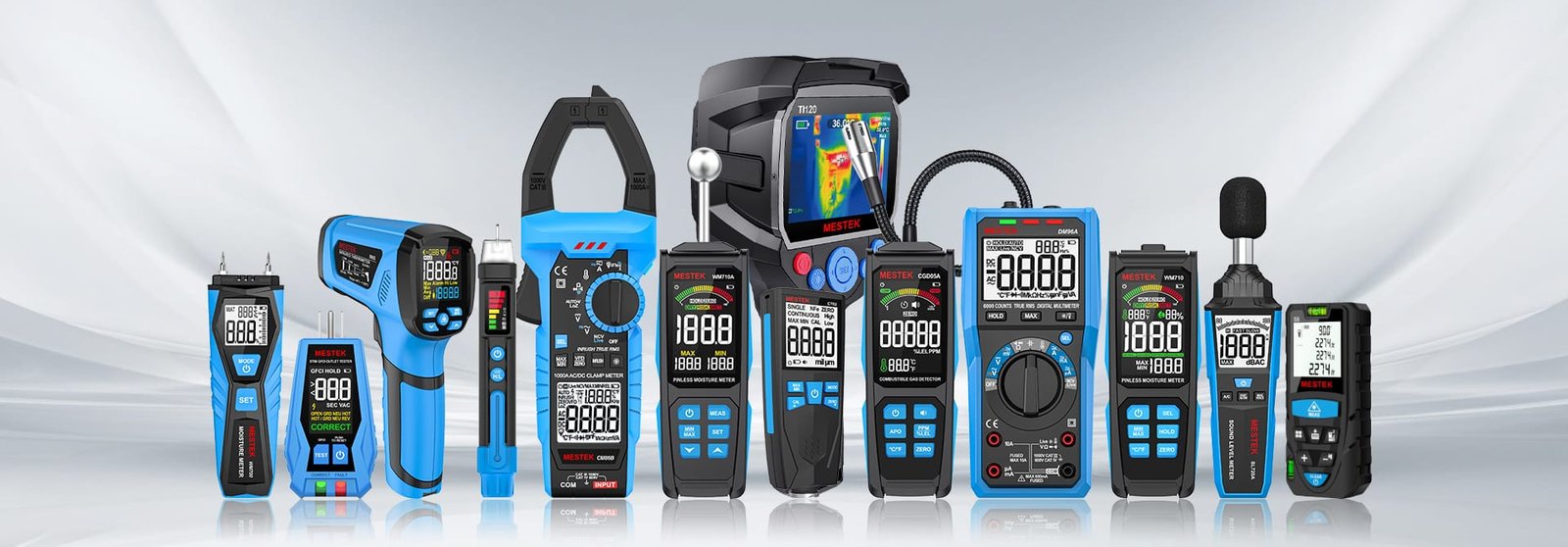
mestek product collection