Accurate measurement is essential for interior decoration, especially for DIY designers who pursue perfection. Therefore, it is very important to have a laser measuring tool – laser distance meter.
What is a Laser Distance Meter?
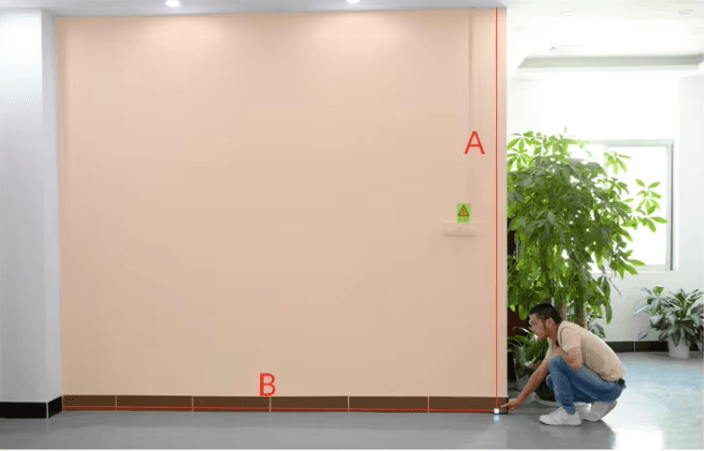
A laser distance meter or laser measuring tool is a handheld device that uses a laser beam to measure distance quickly and accurately. When measuring with a traditional tape measure, it is always time-consuming and laborious to find angles and deal with uneven walls. The laser distance meter can solve this problem well, and it does not need to touch the body. It makes us handy when measuring the height of rooms, ceilings and narrow corners. Therefore, laser measuring tools are very suitable for home decoration, interior design, real estate appraisal and DIY projects.
Key Features of Laser Measuring Tools
High Accuracy and Long Range
Measures within a fraction of an inch and up to several hundred feet.
Perfect for large rooms or entire homes.
Multiple Measurement Modes
Area, volume, Pythagorean calculations, continuous measurement, and indirect height measurement.
Digital Display & Memory Function
Bright screen displays results clearly.
Memory stores previous measurements for easy reference.
Durability and Portability
Compact, lightweight, and rugged design.
Ideal for on-site work and frequent transport.
Advantages of Using a Laser Measuring Tool
- Time-Saving
Instant readings without unrolling tape measures.
- Enhanced Safety
Measure high or narrow spaces without ladders.
- Improved Accuracy
Laser precision reduces human error.
- Versatility
Suitable for room planning, remodeling, and interior design projects.
- Cost-Efficient
Saves money by reducing errors and speeding up work.
How to use the laser measuring tool
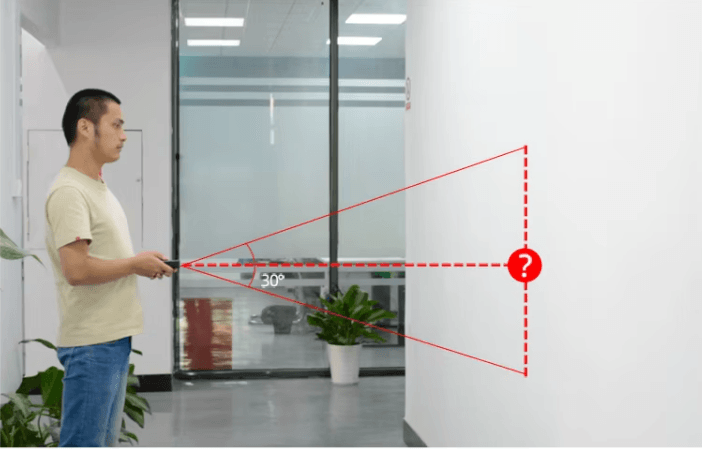
1.Preparing Your Laser Measuring Tool
- Turn on the device and select the correct mode (distance, area, volume).
- Check battery level to ensure uninterrupted use.
- Use a backlit screen or visible laser for bright rooms.
2.Measuring Straight Distances
- Place the tool against the starting point (floor, wall, or ceiling).
- Aim the laser at the target point.
Tips:
Hold the device steady.
Avoid reflective surfaces for more accurate results.
3. Measuring Area or Volume
- Measure length and width for area.
- For volume, measure height as well.
- Some models can calculate area/volume automatically.
Example: Measuring a room for new flooring or furniture placement.
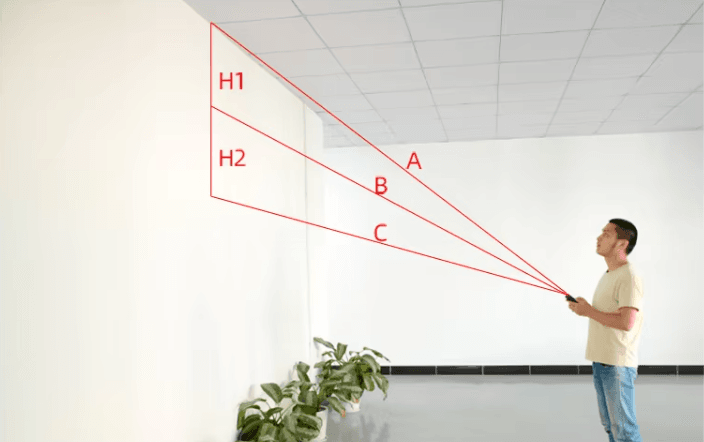
4. Using Pythagorean or Indirect Measurements
- For spaces where direct measurement is impossible, use diagonal or height functions.
- The tool calculates the missing dimension using the Pythagorean theorem.
5.Storing and Reviewing Measurements
- Use memory function to store recent readings.
- Transfer results to paper or app for planning layouts.
- Take multiple readings to ensure accuracy.
6.Safety and Best Practices
- Avoid pointing laser at eyes.
- Use tripod or stable surface for long-distance measurement.
- Clean the lens regularly for consistent accuracy.
Conclusion
A laser measuring tool is a must-have for anyone who values precision and efficiency in interior design or home renovation. Investing in the right range finder can save you time and improve the quality of your work. Be sure to choose a model that fits your specific needs, and you’ll wonder how you ever worked without one. If you’re looking for a high-quality laser measuring tool or laser range finder for interior design, check out our latest models at Mestek Instruments.