When you use firewood to heat your home—whether it’s tossing logs into a stove on a winter night or keeping the fireplace going—one thing matters more than most people realize: how dry the wood is. If your logs are still holding too much moisture, they’ll be harder to light, create more smoke, and won’t give off as much heat. That’s why many experienced wood burners use a tool called a firewood moisture meter. It’s a simple device that shows whether your wood is ready to burn or needs more time to season.
Why Firewood Moisture Content Is Critical

Burning wet or green firewood not only reduces heat efficiency but also contributes to harmful creosote buildup, which can pose a fire hazard. The ideal moisture content for firewood is 15% to 20%. Wood with moisture levels above 25% burns poorly and emits excessive smoke.
Consequences of Burning Wet Firewood:
- Low heat output
- Excessive smoke and pollutants
- Creosote buildup in chimneys
- Difficult ignition
- Increased risk of chimney fires
Using a firewood moisture meter is the most reliable way to measure and monitor the moisture content of your firewood before burning it.
What Is a Firewood Moisture Meter?

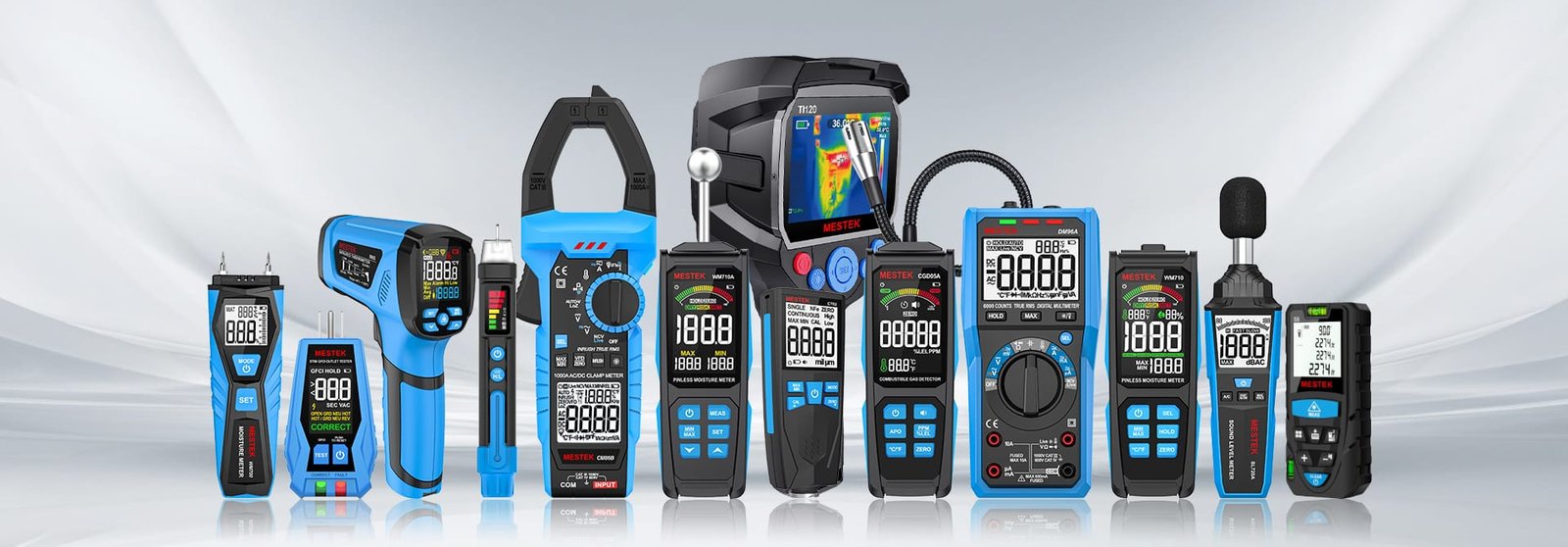
A firewood moisture meter is a handheld device that measures the moisture content inside a piece of wood. Most meters use electrical resistance or capacitance to provide a digital or analog readout of water content as a percentage.
Common Types:
- Pin-type meters: Use two metal probes that you insert into the wood.
- Pinless meters: Use electromagnetic sensors to scan the wood’s surface.
Both types can be effective for checking firewood, but pin-type meters typically offer more accuracy for firewood since they measure internal moisture levels.
How to Use a Firewood Moisture Meter
Follow these steps for accurate results:
1. Prepare the Wood
- Split the log in half—moisture tends to be highest in the center.
2. Insert the Meter
- Insert the probes into the freshly split side of the log.
- Press and hold the “Measure” button.
3. Read the Display
- Wait for the meter to stabilize.
- Ideal reading: 15% – 20%
- Over 25%? Wood is too wet to burn.
| Moisture Level | Wood Condition | Burn Quality |
| < 15% | Very dry | Burns too fast |
| 15% – 20% | Properly seasoned | Optimal |
| 21% – 25% | Slightly wet | Smoke, less heat |
| > 25% | Green/wet | Poor, creosote risk |
How Long Should Firewood Dry?

Depending on wood species and climate, proper seasoning takes anywhere from 6 to 24 months. Hardwoods like oak take longer, while softwoods like pine season faster but may burn too quickly.
Drying Tips:
- Stack firewood in rows with airflow between pieces.
- Keep the stack off the ground and covered on top.
- Use a moisture meter regularly to check progress.
Best Practices for Using a Firewood Moisture Meter
Calibrate the Meter:
Ensure your firewood moisture meter is calibrated according to manufacturer instructions, especially if you switch between wood types.
Check Multiple Logs:
Don’t rely on a single reading. Test at least 3–5 logs from different parts of the pile to get an average moisture level.
Avoid Frozen Logs:
Frozen logs may show artificially low moisture readings—let them thaw before testing.
What Features Should You Look For?
When choosing the best firewood moisture meter, consider these features:
- Wide moisture range (5%–50%)
- Backlit LCD display for night use
- Auto shut-off to save battery
- Electrode pin length: 10mm or more
Firewood Moisture Meter in the Real World
Many homeowners and professionals on forums like ArboristSite and ForestryForum agree that moisture meters are indispensable for:
- Saving time by knowing when wood is ready
- Preventing chimney fires
- Improving burning efficiency
One user noted: “I didn’t realize how wet my wood was until I got a meter. No wonder my stove kept smoking up the house.”
Conclusion
Ensuring your firewood has an ideal moisture content of 15 to 20 percent will result in higher heat output, safer burning conditions, and less risk of creosote. Remember to split your firewood, test multiple samples, and monitor dryness over time. Whether you’re heating your home, using a wood stove, or preparing to sell your firewood, a firewood moisture meter is a tool you never knew you needed—until now.
Stay tuned for more professional solutions and the latest news on firewood moisture meters from Mestek Instruments.