When working on an electrical project, choosing the right testing tool can save time and prevent unnecessary troubleshooting. Many homeowners and professionals often ask the same question:
Should I use a circuit breaker finder or a multimeter?
Although both tools are commonly used for electrical work, they are designed for completely different purposes.
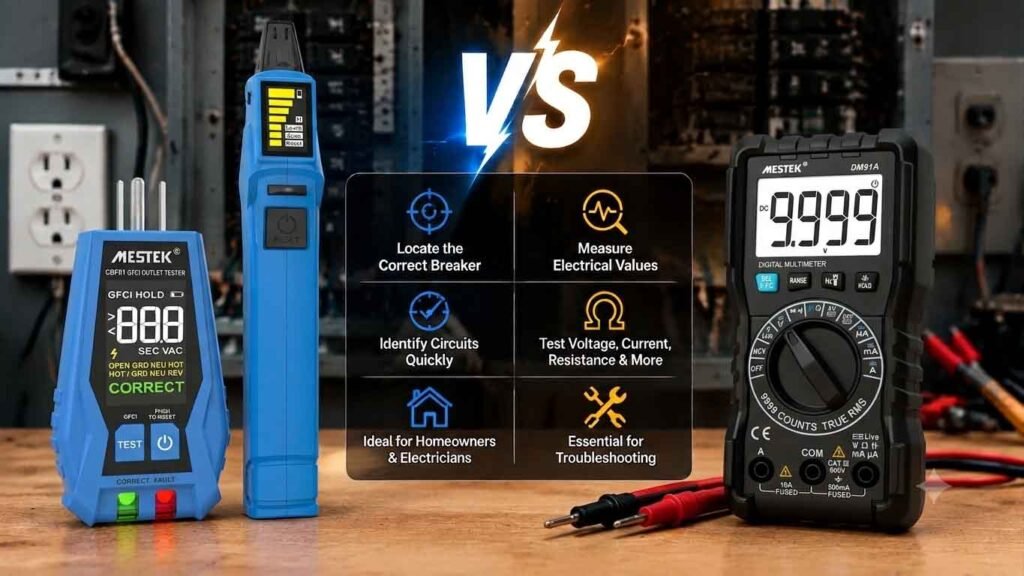
A circuit breaker finder helps you identify which breaker controls a specific outlet or circuit. A digital multimeter helps you measure electrical values and diagnose problems within a circuit.The right choice depends on the task you are trying to complete.
Circuit Breaker Finder vs Multimeter: The Key Difference
The biggest difference between these two tools is their primary function.
| Feature | Circuit Breaker Finder | Digital Multimeter |
| Main purpose | Locate the correct breaker | Measure electrical values |
| Best for | Identifying circuits | Electrical testing and troubleshooting |
| Common users | Homeowners, electricians | Electricians, technicians |
| Measures voltage | Limited/basic functions | Yes |
| Tests continuity | Usually unavailable | Yes |
| Finds matching breaker | Yes | No |
A circuit breaker finder helps you find where a circuit goes.
A multimeter helps you understand what is happening inside that circuit.
They solve different problems, which is why many electrical professionals use both tools.
Choose a Circuit Breaker Finder When You Need to Locate a Circuit
A circuit breaker finder is the better choice when your main challenge is identifying the correct breaker.
1. Finding the Breaker That Controls an Outlet
Imagine you need to replace an electrical outlet, but the breaker panel has unclear labels.
You could turn off breakers one by one and check whether the outlet loses power. However, this method takes time and may require another person to help.
A circuit breaker finder allows you to quickly match an outlet with its corresponding breaker.
In this situation, a multimeter cannot replace a circuit breaker finder because it can confirm whether voltage exists, but it cannot easily identify which breaker controls the outlet.
2. Organizing an Unlabeled Electrical Panel
Many homes and commercial buildings have electrical panels with missing or incorrect labels.
A circuit breaker finder can help create a more accurate breaker map by identifying which circuits connect to different areas of a building.
Instead of testing every breaker manually, users can quickly identify circuit connections and improve panel organization.
Choose a Digital Multimeter When You Need Electrical Measurements
A digital multimeter is designed for testing and diagnosing electrical conditions.
While a circuit breaker finder helps locate circuits, a multimeter helps answer questions such as:
- Is voltage present?
- Is a wire connected correctly?
- Is a component working properly?
1. Measuring Voltage
For example, when troubleshooting a non-functional outlet, a multimeter can help determine whether the issue is caused by a lack of power, wiring problems, or component failure—information that a circuit breaker finder cannot provide.
2. Troubleshooting Electrical Problems
A digital multimeter can help identify voltage level issues by checking resistance, continuity, or electrical connection parameters.
For electricians and technicians, these measurements are essential for diagnosing and repairing electrical systems.
3. Verifying Electrical Conditions Before Repair
Safety is an important part of electrical work.
Before repairing or replacing components, a multimeter can be used to verify electrical conditions and confirm measurements.
This makes it an essential tool for professional electrical troubleshooting.
Can a Multimeter Replace a Circuit Breaker Finder?
Although a multimeter is a powerful electrical testing tool, it is not designed to locate circuit breakers.
A multimeter can tell you:
- Whether an outlet has voltage
- How much voltage is present
- Whether a circuit has continuity
But it cannot quickly tell you:
- Which breaker controls a specific outlet
- Which breaker should be turned off during maintenance
A circuit breaker finder and a multimeter solve different problems.
One identifies the circuit location, while the other measures electrical conditions.
Do Electricians Need Both Tools?
For many electrical professionals, the best solution is not to choose between the two tools, but to use them in tandem.
First, use a circuit breaker finder to identify the correct breaker connected to an outlet or piece of electrical equipment, and then verify the electrical conditions.
Next, use a digital multimeter to measure voltage and confirm the circuit status in order to troubleshoot issues or complete repairs.
This combined approach enhances efficiency and provides more comprehensive information during electrical inspections.
Which Tool Should You Choose?
The right tool depends on your specific needs.
Choose a circuit breaker finder if you mainly need to:
- Locate unknown breakers
- Identify outlet-to-breaker connections
- Organize electrical panels
- Complete basic electrical projects faster
Choose a digital multimeter if you need to:
- Measure voltage
- Test continuity
- Diagnose electrical faults
- Check electrical components
If you regularly perform electrical maintenance, having both tools provides the most complete solution.
Recommended MESTEK Electrical Testing Tools
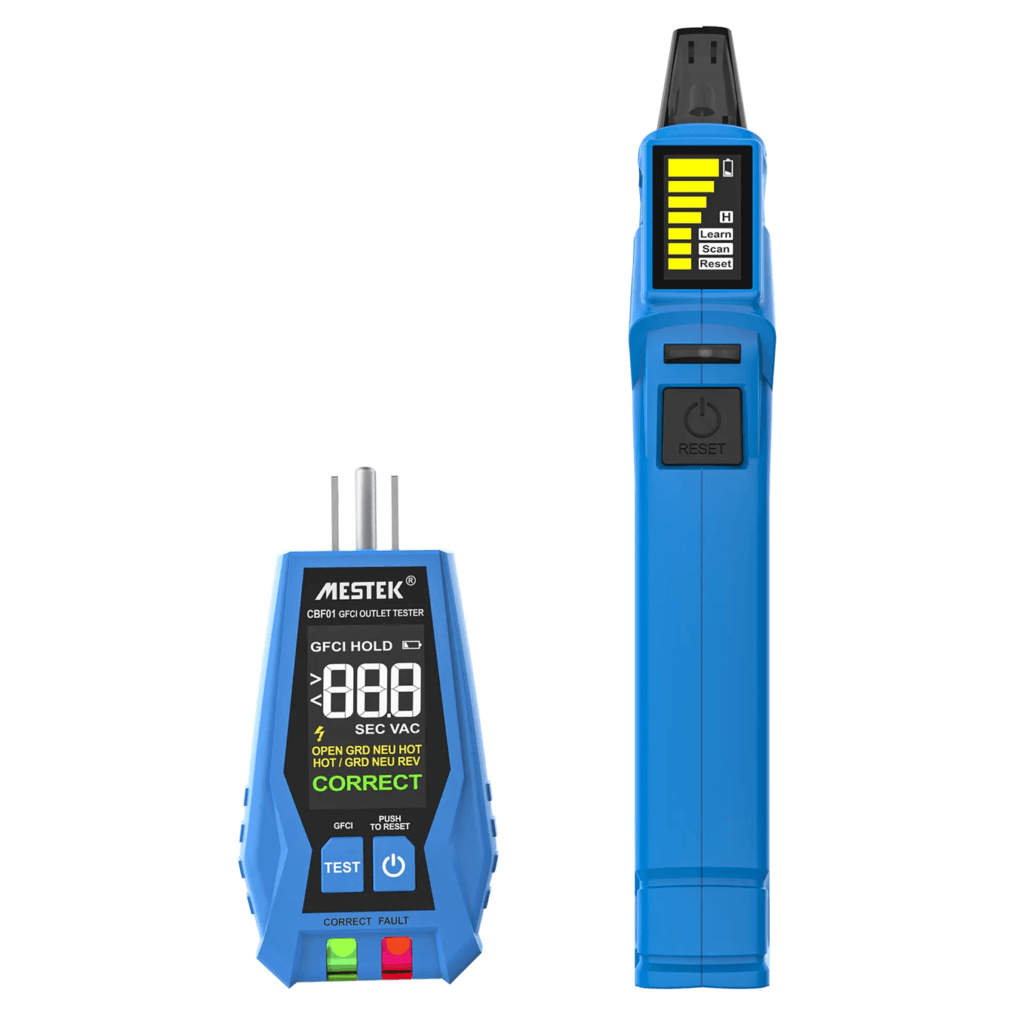
MESTEK offers electrical testing tools designed for different inspection needs.
For quickly identifying circuits and locating the correct breaker, a MESTEK Circuit Breaker Finder provides a practical solution for homeowners and professionals.
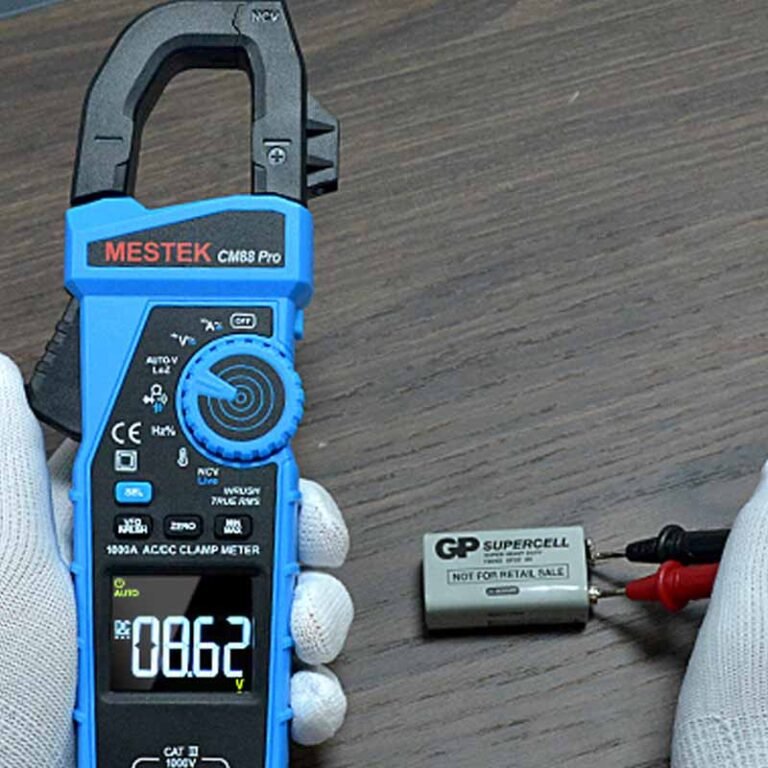
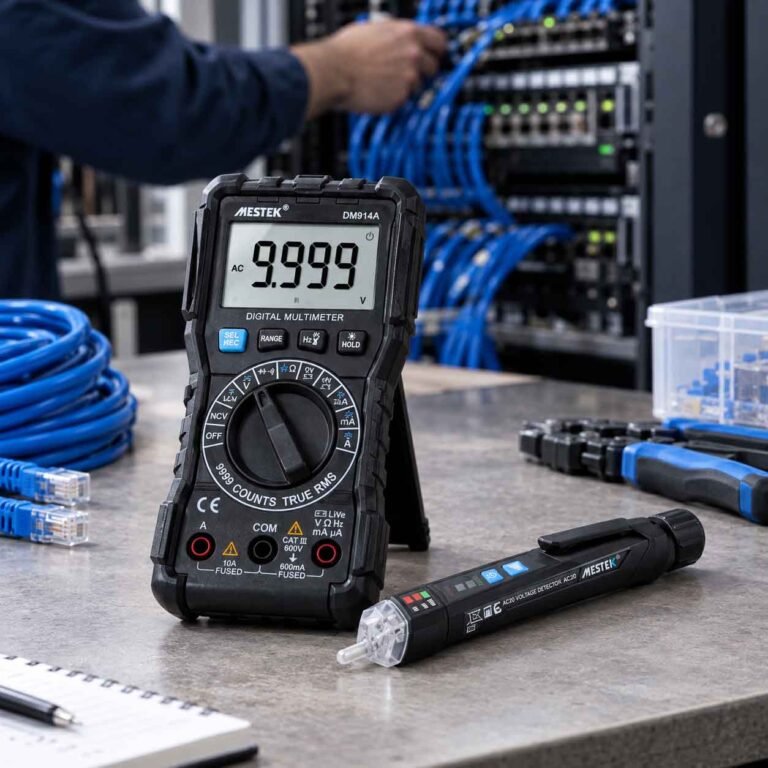
For measuring electrical values and troubleshooting circuits, a MESTEK Digital Multimeter offers essential functions for voltage, resistance, continuity, and electrical testing.
Choosing the right tools for the specific task can make electrical work safer, simpler, and more efficient.
Final Thoughts
When comparing a circuit breaker finder vs multimeter, there is no single winner. These tools are designed for different electrical tasks.
If your goal is to find which breaker controls a circuit, choose a circuit breaker finder.
If your goal is to measure and diagnose electrical conditions, choose a digital multimeter.
For professionals and serious DIY users, using both tools together provides the most efficient approach to electrical inspection and troubleshooting.