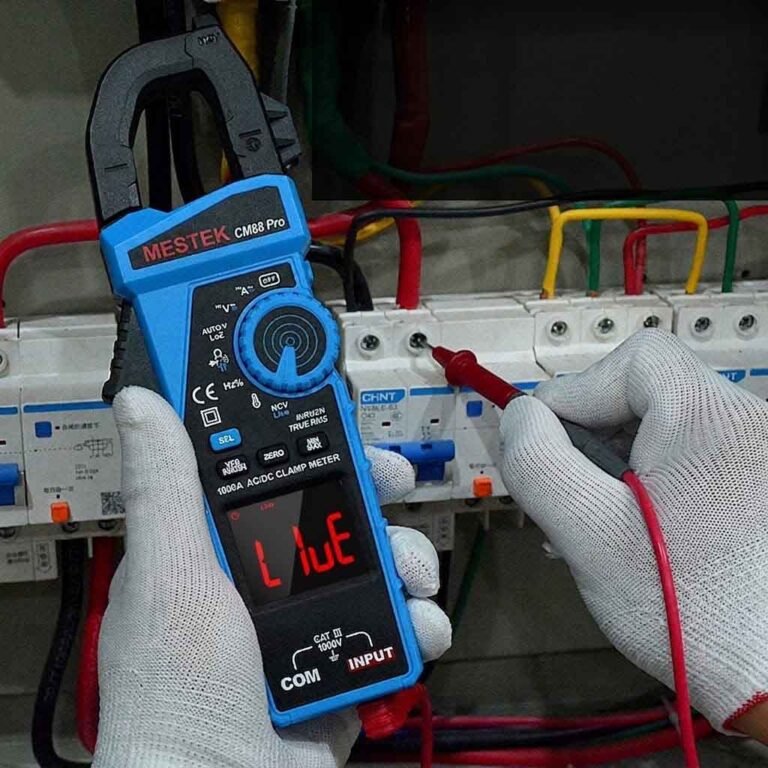

Testing a 12V battery with a multimeter is one of the most reliable ways to determine whether a battery is healthy, weak, or failing. Whether the battery is used in a car, solar system, UPS, RV, or backup power setup, a simple voltage test can quickly reveal its condition.
This guide explains how to test a 12V battery with a multimeter, how to interpret the readings correctly, and what voltage levels actually mean in real-world use.
What Is a 12V Battery?
12V batteries are a common power source, widely used in automotive, industrial, and residential applications. While commonly used in automotive batteries, 12V batteries also power solar energy storage systems, emergency backup power, and portable devices.
Common types of 12V batteries include:
Lead-acid batteries
AGM (Absorbent Glass Fiber) batteries
Gel batteries
12V lithium batteries (lithium iron phosphate batteries).
Tools You Need to Test a 12V Battery
A digital multimeter capable of DC voltage measurement
Basic safety gloves (recommended)
Clean battery terminals
How to Test a 12V Battery with a Multimeter
Step 1: Set the Multimeter Correctly
Turn the multimeter dial to DC voltage (V⎓).
Select a range higher than 12V (usually 20V DC on manual-range meters).
Step 2: Connect the Probes
- Connect the black probe to the battery’s negative (–) terminal
- Connect the red probe to the positive (+) terminal
Ensure firm contact with clean terminals for accurate readings.
Step 3: Read the Voltage
Once connected, the multimeter will display the battery’s voltage. This number is the key indicator of battery condition.
12V Battery Voltage Chart (At Rest)
When the battery is not under load, please use the table below to interpret your results. A healthy 12V battery will typically have a voltage of around 12.6V after being left to rest for several hours.
| Voltage Reading | Battery Condition |
| 12.6 – 12.8V | Fully charged |
| 12.4 – 12.5V | Good condition |
| 12.2 – 12.3V | Partially discharged |
| 12.0 – 12.1V | Low charge |
| Below 11.8V | Weak or failing |

Testing a 12V Battery Under Load
Voltage testing under load provides a more realistic picture of battery performance.
For automotive batteries:
- Measure voltage while starting the engine
- A healthy battery should not drop below 9.6V during cranking
For other applications:
- Measure voltage while powering a device
- A rapid voltage drop indicates reduced capacity or internal resistance issues
Load testing helps identify batteries that appear charged but cannot deliver usable power.
Common Mistakes When Testing a 12V Battery
Many inaccurate readings are caused by simple user errors rather than faulty equipment. Common mistakes include:
- Using the AC voltage setting instead of DC
- Testing immediately after charging (surface charge effect)
- Dirty or corroded terminals
- Measuring while the battery is still connected to a charger
For best accuracy, allow the battery to rest for at least 30 minutes before testing.
Can a Multimeter Tell Battery Health?
A multimeter measures voltage, not internal battery capacity. While voltage testing is a strong indicator, it does not fully reveal battery health.
To assess battery condition more accurately:
- Combine voltage testing with load testing
- Monitor voltage over time
- Observe how quickly voltage drops under use
For professional diagnostics, additional tools such as load testers or internal resistance meters may be required.
When Should a 12V Battery Be Replaced?
Consider replacing a battery if:
- Voltage consistently falls below 12.0V after charging
- Voltage drops sharply under light load
- The battery cannot hold charge overnight
Ignoring these signs can lead to equipment failure or system downtime.
FAQ
1.What voltage should a 12V battery read when fully charged?
A fully charged 12V battery typically reads between 12.6 and 12.8 volts.
2.Can a multimeter test a lithium 12V battery?
Yes. A multimeter can measure voltage on lithium batteries, but voltage ranges differ slightly from lead-acid types.
3.Is testing a battery with a multimeter safe?
Yes, when basic safety precautions are followed and proper settings are used.
Conclusion
Knowing how to test a 12V battery with a multimeter is an essential skill for both professionals and DIY users. A simple voltage check provides fast insight into battery condition, helping prevent unexpected failures and unnecessary replacements.
While a multimeter cannot measure capacity directly, it remains one of the most effective tools for quick battery diagnostics. When combined with proper interpretation and load testing, voltage measurements become a reliable foundation for battery maintenance and troubleshooting.