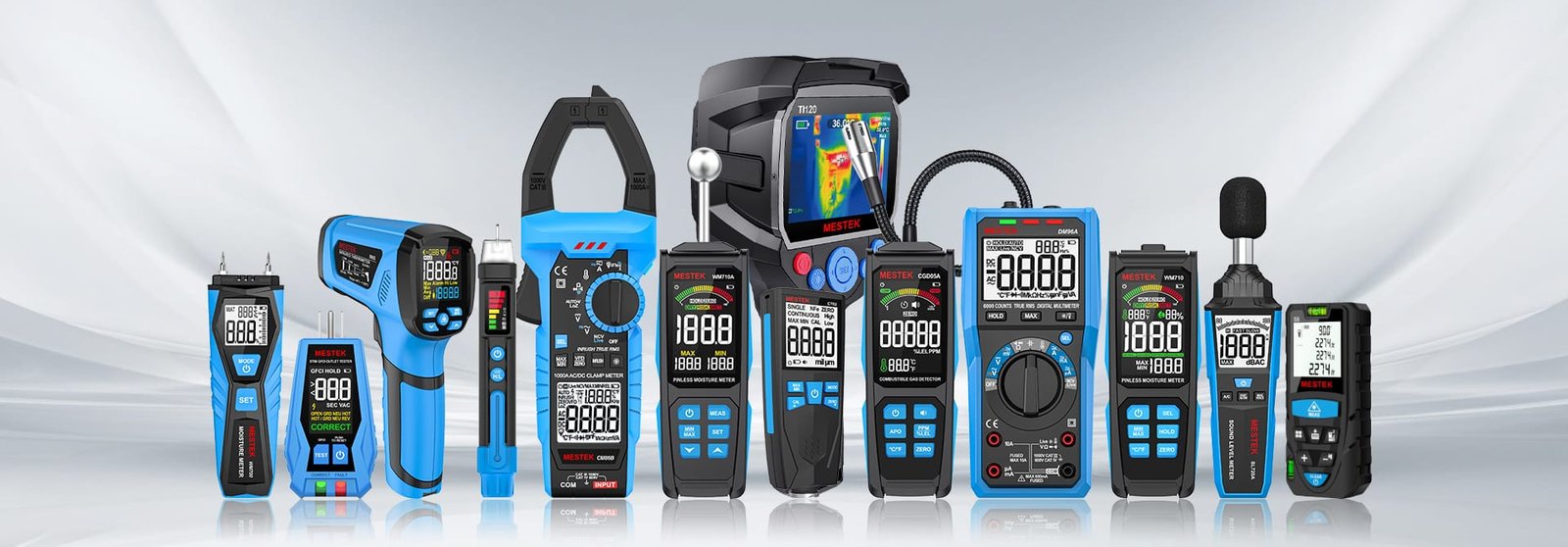
When we label circuit breakers, the traditional method is to test a lot of switches, but this method is very labor-intensive and even requires the collaboration of several people. When we have a circuit breaker finder, it is very helpful for home equipment upgrades, such as replacing new switches or sockets, which is the most common. We can safely, efficiently and correctly label each switch in the circuit breaker.
In this guide, we compared four of the best circuit breaker finders based on features like voltage range, display type, GFCI testing, level of automation, and price. Whether you’re looking for the ultimate in automation, ease of use, or the best overall performance, we’ve got the perfect recommendation for you.
A circuit breaker finder is different from a circuit breaker tracer. The former is used to check the energized circuit, while the latter is used to check the de-energized circuit. It is used for house circuit layout planning. When purchasing, we need to know clearly what we need to avoid spending money on incompatible products.
| Product Name | Max Voltage Detection | Auto Matching | GFCI Testing |
| Klein Tools ET310 | 120V | √ | √ |
| MESTEK CBF01 | 135V | √ | √ |
| Sperry Instruments CS61200P | 120V | √ | √ |
| Extech CB10 | 120V | × | √ |
Best Overall: Klein ET310
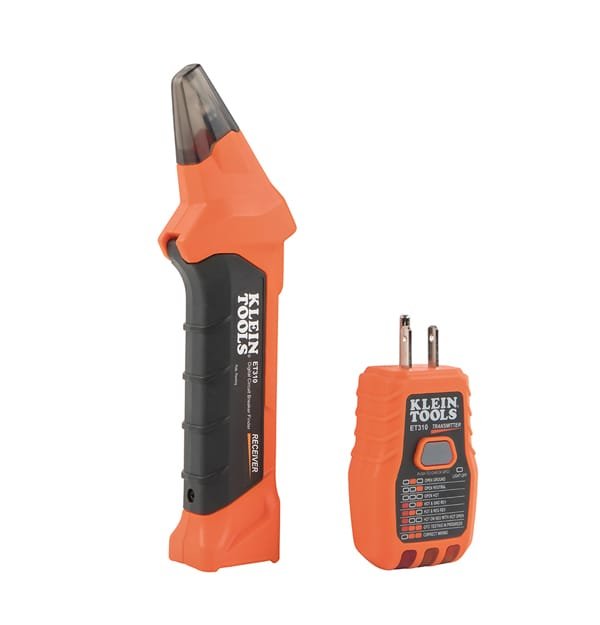
Product Specifications:
Maximum Voltage: 120V
Outlet Display: LED Bar Graph
Alarm Type: Audible Alarm with LED Indicator
GFCI Test: √
Operation Type: Automatic
Auto Shutdown: √
Klein Tools is known for making rugged, professional-grade tools, and their Circuit Breaker Finder ET310 is no exception. With automatic circuit breaker detection, GFCI testing, and common LED indicators, this product is trusted by professional electricians in the industry. For one-off projects, it’s more than enough for us to use it on a daily basis. When we conducted data research, we found that its user reviews are very good.
Best Automation: MESTEK CBF01
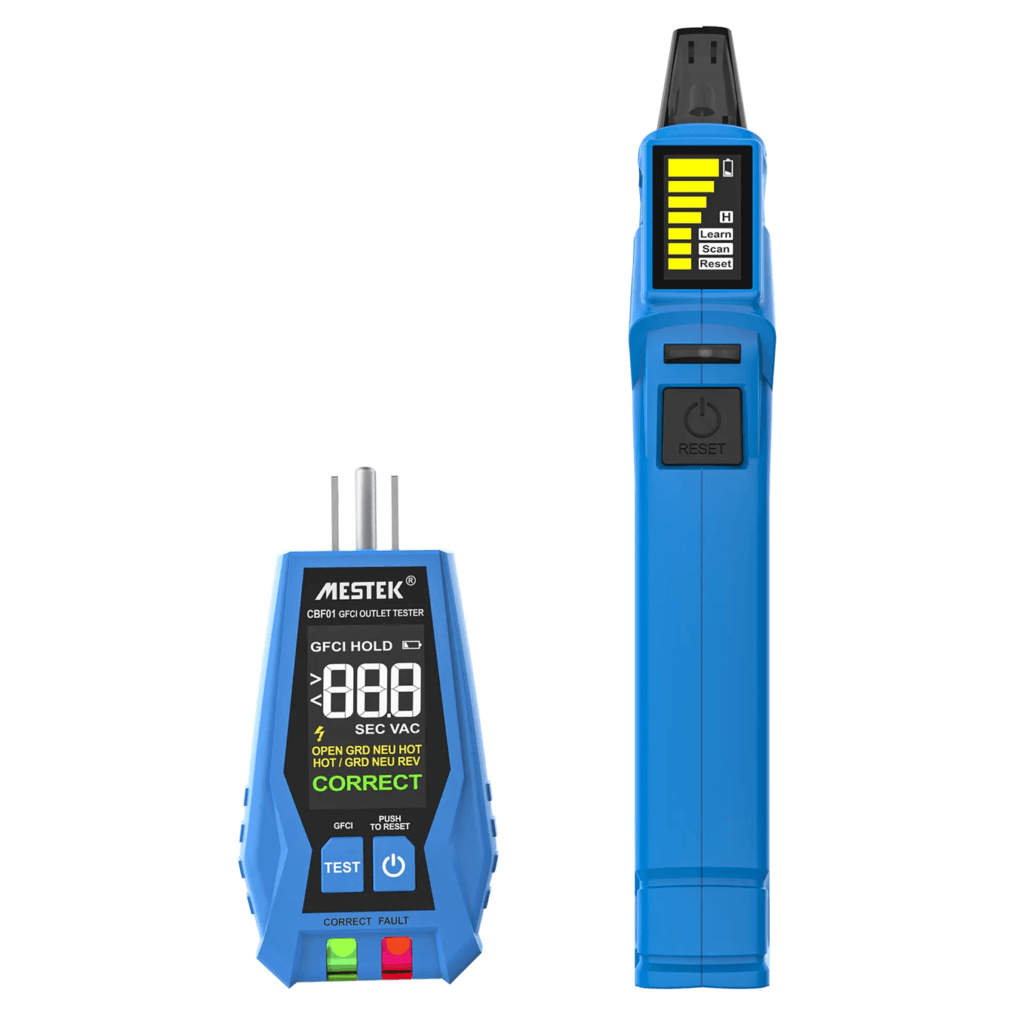
Product Specifications:
Maximum voltage: 135V
Outlet display: Full-color digital screen
Alarm type: Sound and light alarm
GFCI test: Support (built-in transmitter)
Operation type: Fully automatic send/receive
Auto shutdown: √
MESTEK CBF01 has a digital display screen that provides clearer visual feedback. It can automatically detect and identify circuit breakers without manual scanning. The built-in GFCI outlet tester ensures safe and accurate diagnosis of wiring problems. For circuit breaker labeling issues, we can save a lot of time for manual switch testing.
Best Ease of Use: Sperry Instruments CS61200P
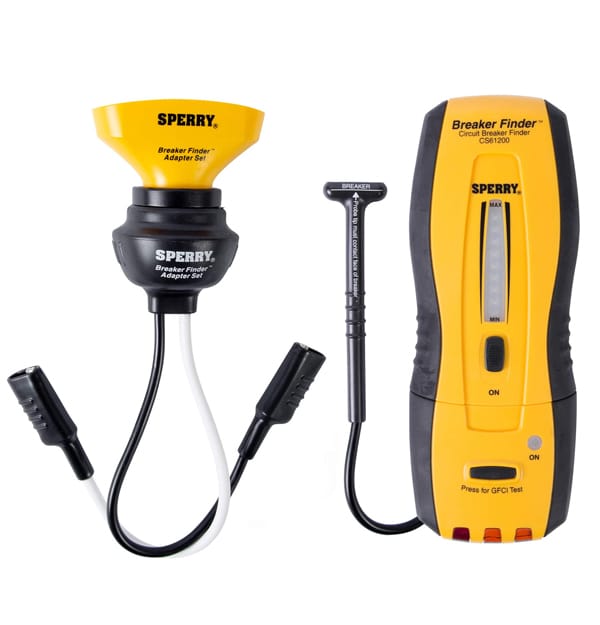
Product Specifications:
Maximum voltage: 120V
Socket display: LED light
Alarm type: Sound and light alarm
GFCI test: √
Operation type: Auto
Automatic shutdown: ×
Sperry Instruments CS61200P is an automatic operation mode. It does not have so many complex functions, which also reflects its ease of use. Its overall interface is relatively simple, and its user experience is very good. When using Sperry Instruments CS61200P, you only need to plug in the transmitter, and the receiver will automatically identify the circuit breaker. It can be said that it requires almost no learning cost.
Best Value: Extech CB10
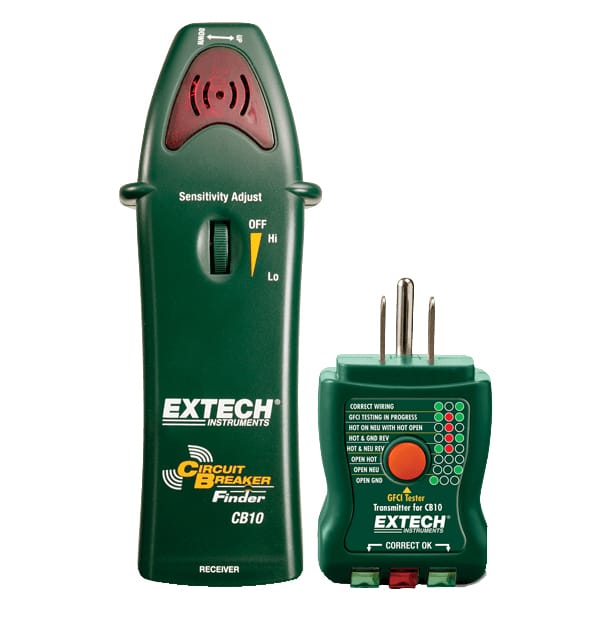
Product Specifications:
Maximum voltage: 120V
Outlet display: LED bar graph
Alarm type: Audio signal
CFCI test: Supported
Operation type: Manual
Auto shutdown: Not supported
CB10 provides accurate circuit detection at an affordable price. Its functions are not automated, but it does not lack for CFCI and outlet display. When we were choosing, if we only considered practical functions and cost, CB01 was also a good choice.
End
When choosing the best circuit breaker finder, you need to consider your real needs. For professional-grade accuracy and reliability, choose the Klein ET310. If you want automation and a stylish digital display, the MESTEK CBF01 will meet your needs. The Gardner Bender GBT-500A makes operation easy, while the Extech CB10 is a great value.