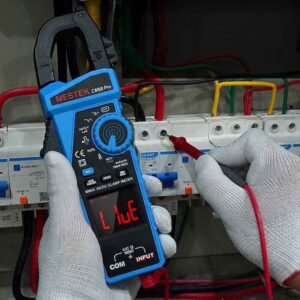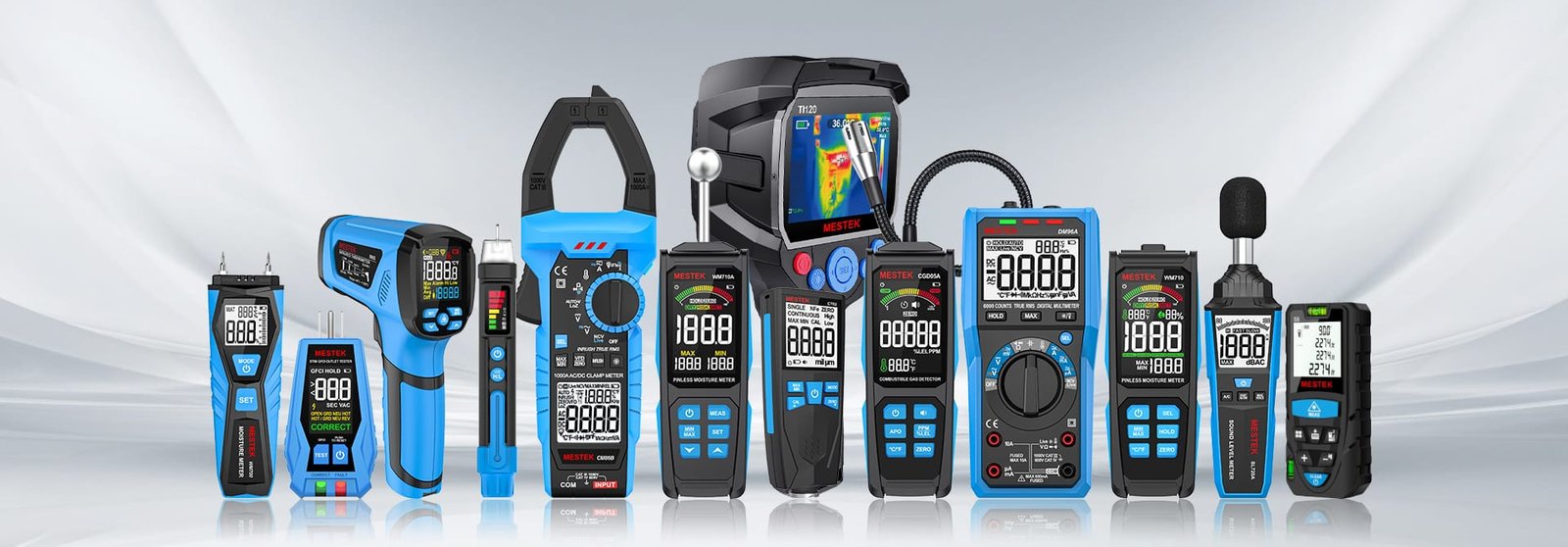
So, how do you choose the best clamp meter for your professional needs? This guide highlights the key features and technologies found in high-performing clamp meters designed for commercial and industrial use.
In industries like electrical maintenance, factory automation, and construction, measuring current is a daily necessity. Clamp meters, thanks to their non-contact measurement capability, have become essential tools for professional electricians and maintenance engineers. Unlike traditional multimeters, clamp meters allow users to measure current or voltage without interrupting the circuit, enhancing both efficiency and safety.
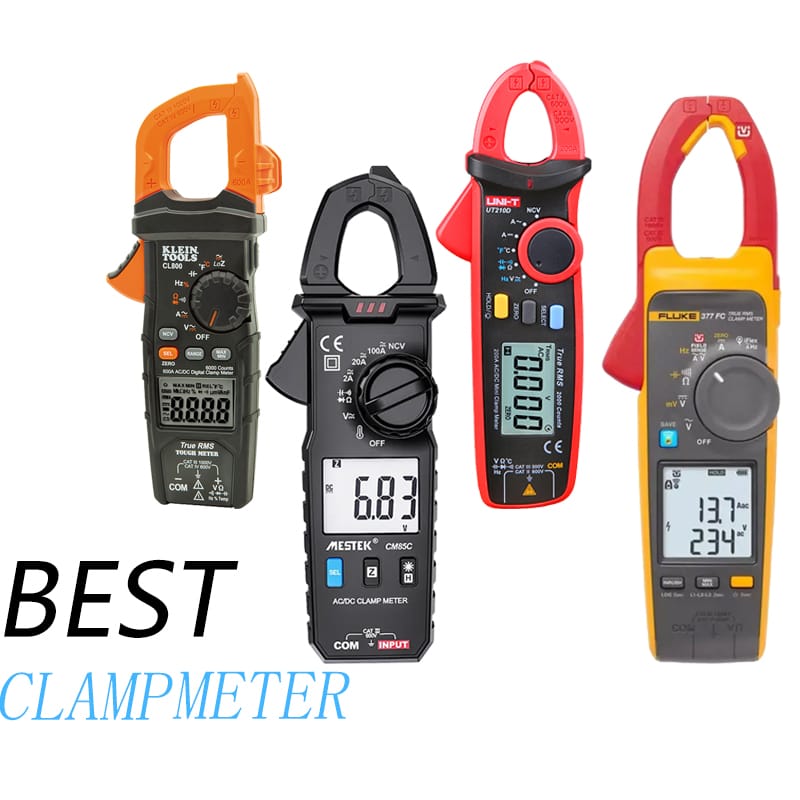
When evaluating a clamp meter, consider its measurement range, accuracy, functionality, user-friendliness (e.g., backlight, data hold), brand reliability, and of course, cost-effectiveness. We’ve selected four top-performing models based on brand reputation, precision, practicality, and value.
Best Brand
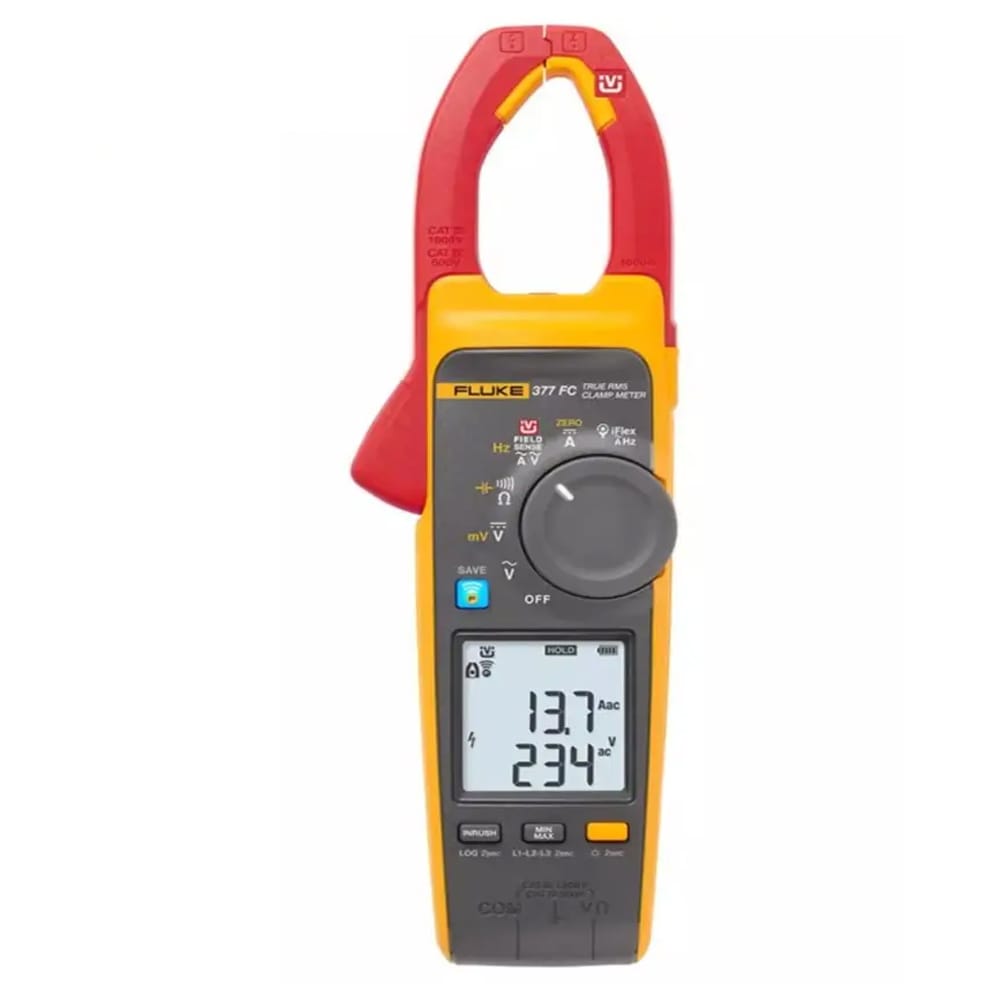
FLUKE 376 FC True RMS Clamp Meter
Why We Recommend It:
- Manufactured by FLUKE, a global leader in test equipment—renowned for durability and accuracy.
- True RMS technology for precise measurement of non-linear loads.
- Bluetooth connectivity via the Fluke Connect App for remote monitoring and data logging.
- CAT IV 600V / CAT III 1000V safety rating for industrial environments.
- Measures up to 1000A (AC/DC current), and 1000V voltage range.
Ideal For: Industrial engineers, utility technicians, and professionals working on high-voltage systems.
When brand trust and precision matter, FLUKE 376 FC stands out. It offers robust construction, advanced safety features, and seamless wireless connectivity, making it one of the best clamp meter for demanding jobs.
Best Precision
MESTEK CM85C High Accuracy Clamp Meter
Why We Recommend It:
- Designed by MESTEK, a precision instrument brand trusted in industrial and manufacturing sectors.
- High accuracy AC/DC current measurement with ±3.0% error margin.
- One-touch Zeroing function to eliminate residual readings and improve low-current accuracy.
- Equipped with K-type thermocouple interface for contact temperature measurement.
- Compact and lightweight, suitable for one-hand operation.
Ideal For: Electricians and industrial technicians needing stable, precise, and portable tools.
When measuring small DC currents, reading errors can be common. The CM85C features a “Zero” function to eliminate these inaccuracies, making it a standout for precision work. Its compact jaws make it ideal for diagnosing vehicle issues, where portability is a huge advantage.

Best Value
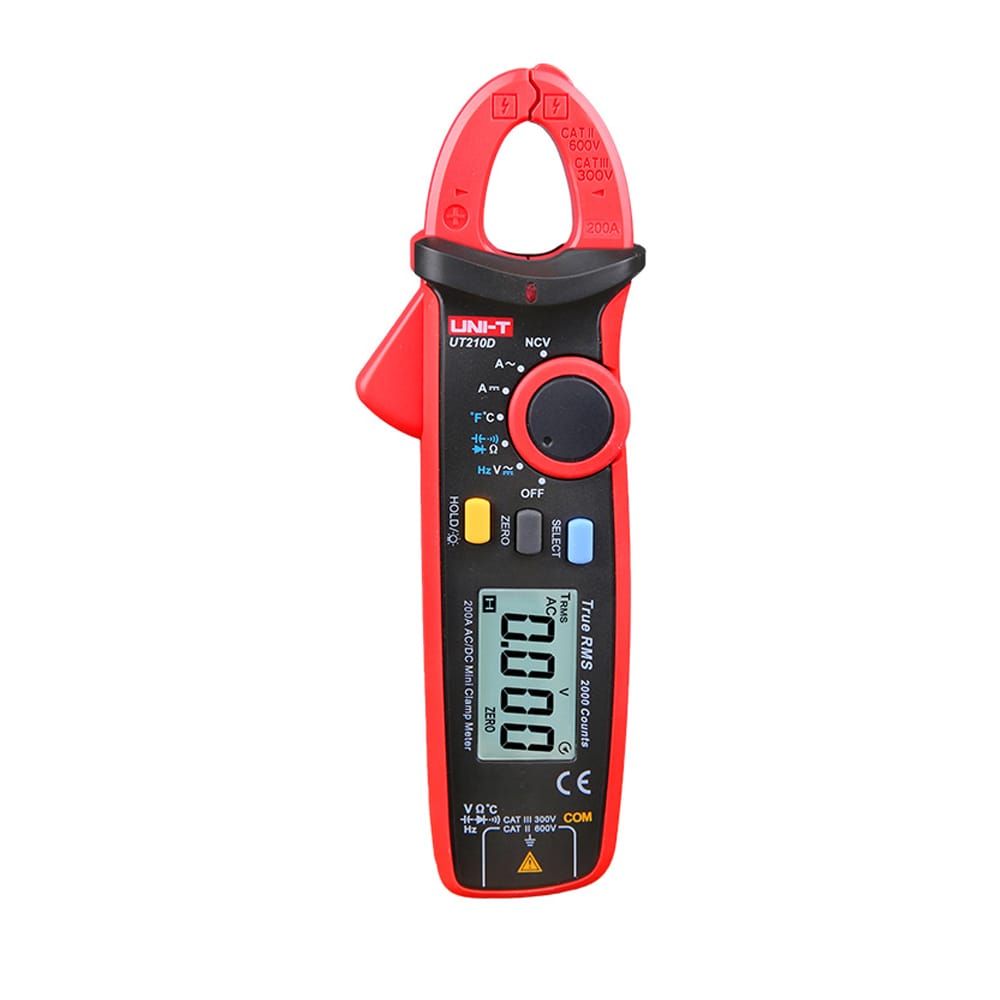
UNI-T UT210E Mini Digital Clamp Meter
Why We Recommend It:
- Priced under $60, making it ideal for budget-conscious users who still need essential features.
- Equipped with True RMS technology for more accurate measurements.
- Current measurement range up to 100A, suitable for home and small business applications.
- Integrated functions for voltage, resistance, and diode testing.
Ideal For: Beginner electricians, small repair technicians, and DIY home users.
The compact design of the UNI-T UT210E makes it one of the best clamp meters for beginners. Its True RMS capability ensures accurate readings under non-linear loads, while its multifunctionality—covering current, voltage, resistance, and diode testing—meets everyday electrical and maintenance needs.
Best Practical
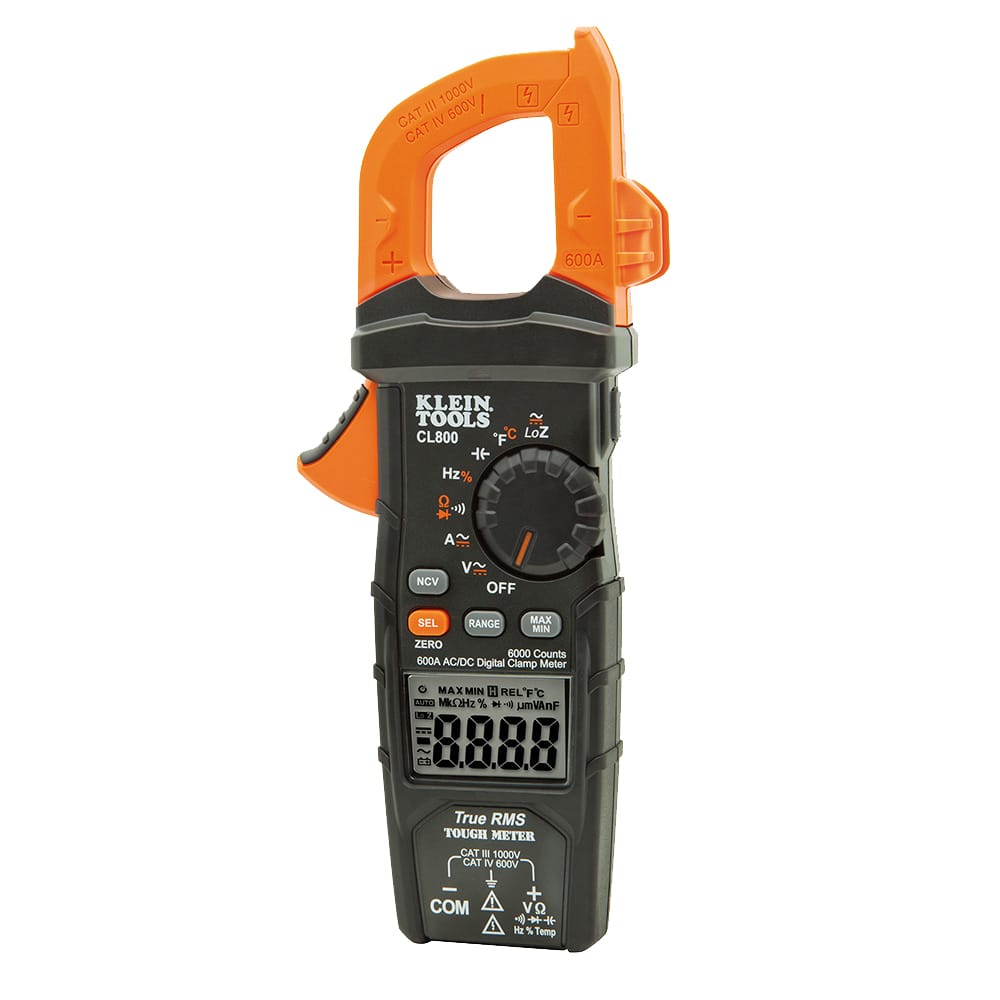
Klein Tools CL800 Multifunction Clamp Meter
Why We Recommend It:
- Offers comprehensive testing: current, voltage, resistance, capacitance, frequency, temperature, and more.
- Features True-RMS and Low Impedance (LoZ) mode to eliminate “ghost voltage” readings.
- Includes auto-ranging, backlight display, and data hold for better field usability.
- Rugged casing built for durability in tough environments.
Ideal For: Commercial electricians, building maintenance pros, and construction engineers.
Klein Tools is a well-known name in the tool industry, praised for both design and durability. The CL800 earns the “best utility” title thanks to its all-in-one feature set—saving you the need to carry multiple meters for different jobs.
Final Thoughts:
Choosing the best clamp meter depends heavily on your specific work scenario. For heavy-duty industrial use, the FLUKE 376 FC stands at the top. If you’re working on a tighter budget, the Kaiweets HT206D delivers tremendous value. Want all-in-one practicality? The Klein CL800 is your best bet. And for precision applications, MESTEK’s CM85C won’t let you down.Understanding what each meter offers ensures you get the right tool that brings accuracy, safety, and reliability to your work.