How to check a fuse with a multimeter​

Checking the fuse is an indispensable step to verify the safety of electricity use. In household electricity use, the integrity of the fuse is related to the safety of life, which should not be ignored. Before we test whether the fuse is blown, we need to have a multimeter.Of course, most of the multimeters on the market are digital, and we also recommend choosing a digital multimeter when testing, which will greatly reduce your workload. If you need to know the multimeter correctly, please refer to the article “https://mestekinstruments.com/learn-to-use-a-multimeter-in-one-minute-a-beginners-guide/”.

How to quickly detect whether a fuse is good or bad?

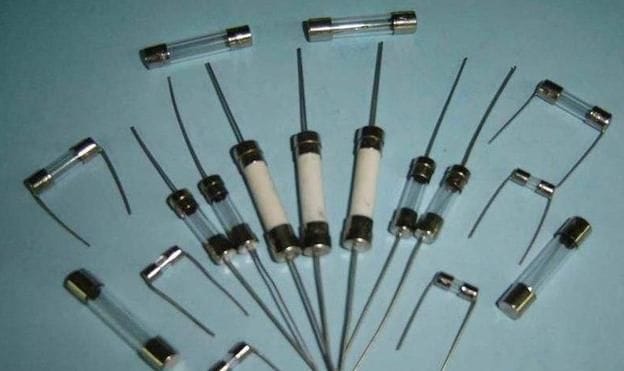
Observe the inside of the fuse directly. If you see the metal wire is broken, burnt or melted, it means the fuse is damaged. If the fuse shell is ceramic and you cannot see the internal situation, you must use a multimeter to test it.When you are done, please remember to turn off your multimeter. When replacing a fuse, make sure it is blown, and choose a good quality fuse.
When we test, insert the black test pen into the COM (common terminal) of the digital multimeter, and insert the red test pen into VΩmA (10A port is only used to measure large current, generally not used for fuse testing).We touch the two test pens to the two ends of the fuse (the metal terminal part of the fuse) and read the resistance value displayed on the LCD screen. If the display is close to 0Ω (such as 0.2Ω-2Ω), it means that the fuse is intact, and if it displays “OL” or a high resistance value (MΩ level), it means that the fuse has blown.
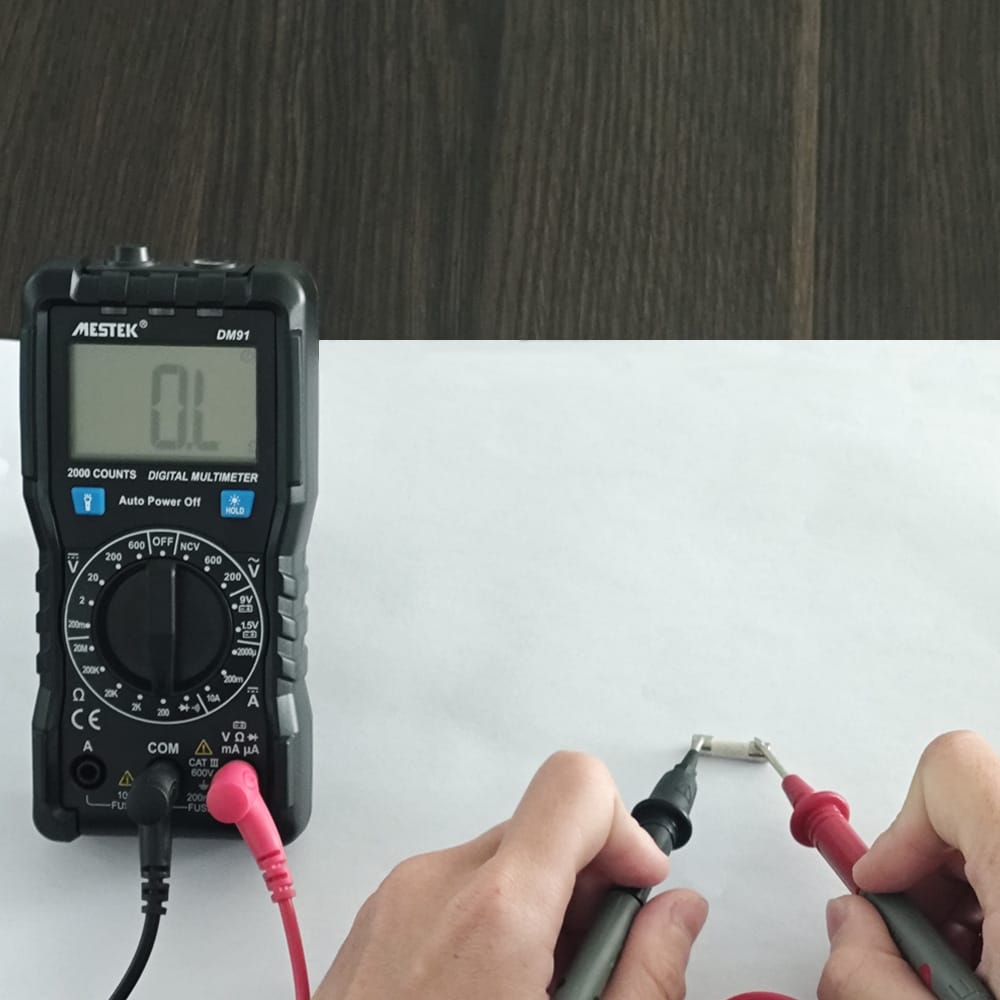
How to judge whether the fuse is blown

NOTE: If the fuse still has continuity between the terminals after the circuit is broken, you should do a second test. I have seen fuses that are only partially blown and still have continuity, but after the circuit is closed, their resistance is high and the voltage drops.

When we test the fuse, the dial numbers of the digital multimeter we use look a bit complicated. At this time, you can choose an automatic or smart multimeter. They have a beep warning sound for on/off, which makes it easier to find the fault status during testing.
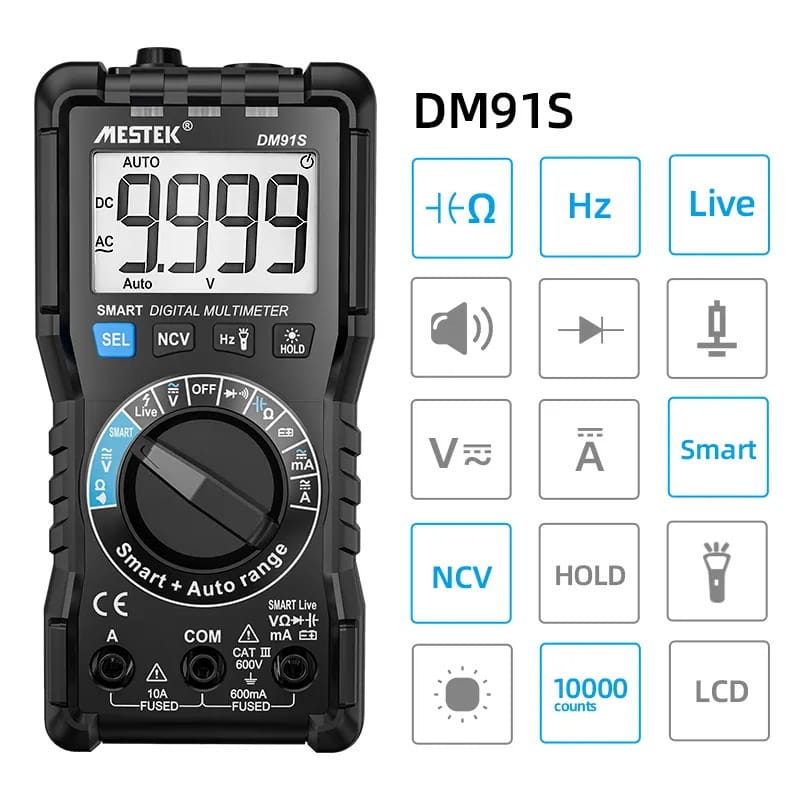
Smart digital multimeter, easily turn the dial to check the fuse

Ensure safe work

Before testing the fuse’s blown state, please make sure you have done the following:
(1) The multimeter and test pen should be used together, which is in compliance with safety standards. (Do not use a damaged test pen)
(2) When the multimeter is not adjusted to the function being measured, do not let the test pen touch the circuit being tested
(3) Do not touch the metal end of the test pen with your hand during the measurement process
(4) The fuse must be disconnected from the circuit for measurement, otherwise it may be affected by other components (the safest way is to wear protective gloves to remove the fuse)
(5) Proceed under the premise of ensuring your own safety. This is a very important piece of advice
Share our interesting knowledge and stories on social media

Have questions? Get a quote

Want to learn more? Click the button now.

More Posts>>>

Learn how to identify line and load wires safely. Use a multimeter or voltage tester to understand wiring differences and avoid hazards.

How to Identify Line and Load Wires Safely and Accurately

Understanding the difference between line and load wires is essential for anyone working with electrical systems. Whether you are installing a switch, replacing an outlet, or troubleshooting a circuit, correctly identifying line and load wires helps prevent electrical hazards, equipment damage, and wiring errors. What Are Line and Load Wires Before identifying wires, it is important to understand their roles in an electrical circuit. What Is a Line Wire? The line wire carries electrical power from the power source (such as a breaker panel) to a device. It is the incoming energized conductor that supplies voltage to switches, outlets, or

The image shows what an infrared thermal imager is.

What Is an Infrared Thermal Imaging Camera?

What if you could see heat instead of light? An infrared thermal imaging camera makes that possible. It detects invisible heat energy and turns it into a visual image of temperature differences. Unlike regular cameras that rely on visible light, thermal cameras work in total darkness. They can also operate in smoke, fog, and other low-visibility conditions. Thermal cameras are widely used in electrical inspections, industrial maintenance, and building diagnostics. They help professionals detect problems the naked eye cannot see, such as overheated wires or hidden heat loss. This guide explains how infrared thermal imaging works, what it can detect,

The picture depicts a worker using a multimeter to check for socket malfunctions.

How to Use a Multimeter to Check a Faulty Socket

Household sockets can stop working for several reasons, including loose wiring, a blown fuse, tripped circuit breakers, or worn out internal connections. Sometimes the problem is obvious, but often it requires proper testing to confirm whether the socket itself is faulty. That’s where understanding how to use a multimeter to check a faulty socket becomes essential. A multimeter is one of the easiest and most reliable tools for diagnosing electrical outlet problems. It can measure voltage, resistance, and continuity, helping you determine whether power is reaching the socket and whether the internal wiring is intact. This article explores everything you

The diagram illustrates the tools needed to test a relay using a multimeter.

How to Test a Relay with a Multimeter

Relays are small but essential components used in cars, appliances, HVAC systems, industrial equipment, and countless electronic devices. Their job is simple: they use a low power signal to safely and efficiently control a higher power circuit. Because relays switch electrical loads, they experience wear over time. Burnt contacts, damaged coils, or internal mechanical failure can cause them to stop working correctly. When a device suddenly stops turning on or won’t turn off, a faulty relay is often the cause. Fortunately, diagnosing a relay is not complicated. A digital multimeter is the easiest and most reliable tool for checking relay

Get more information

Scroll to Top