Water intrusion is one of the most common and costly problems in residential and commercial buildings. It occurs when unwanted water penetrates a structure through walls, floors, roofs, or foundations, often remaining hidden until serious damage has already begun. Understanding water intrusion, its warning signs, and how to detect it early can help prevent structural damage, mold growth, and expensive repairs.
What is Water Intrusion?
Water intrusion refers to the unintended entry of water into a building envelope. Unlike visible leaks, water intrusion is often slow and concealed, allowing moisture to accumulate behind walls, under flooring, or inside concrete structures. Over time, this trapped moisture can weaken materials, corrode metal components, and promote mold growth.For example, in drywall. This slow seepage process means that damage may not be discovered until the problem becomes severe.
Common Signs of Water Intrusion in Buildings
Identifying the early signs of water intrusion is critical to minimizing damage. Common indicators include:
- Damp or discolored walls and ceilings
- Peeling paint or bubbling wallpaper
- Musty or persistent odors
- Mold or mildew growth
- Warped wood flooring or baseboards
- Soft or crumbling drywall
These symptoms often appear long after moisture has already penetrated the structure, making early detection especially important.
Main Causes of Water Intrusion
Water intrusion can originate from multiple sources, depending on the building design and environment:
- Roof leaks caused by damaged shingles or flashing
- Cracks in exterior walls or masonry
- Poor waterproofing around windows and doors
- Plumbing failures inside walls or floors
- Foundation cracks allowing groundwater seepage
Environmental factors such as heavy rainfall, humidity, and poor drainage can significantly increase the risk of water intrusion.
How to Detect Water Intrusion Early
Early detection is the most effective way to reduce repair costs and prevent long-term damage.
Visual Inspection
Regularly inspect walls, ceilings, basements, and crawl spaces for stains, discoloration, or surface damage. However, visual inspection alone often fails to detect moisture hidden beneath surfaces.
Using a Moisture Meter
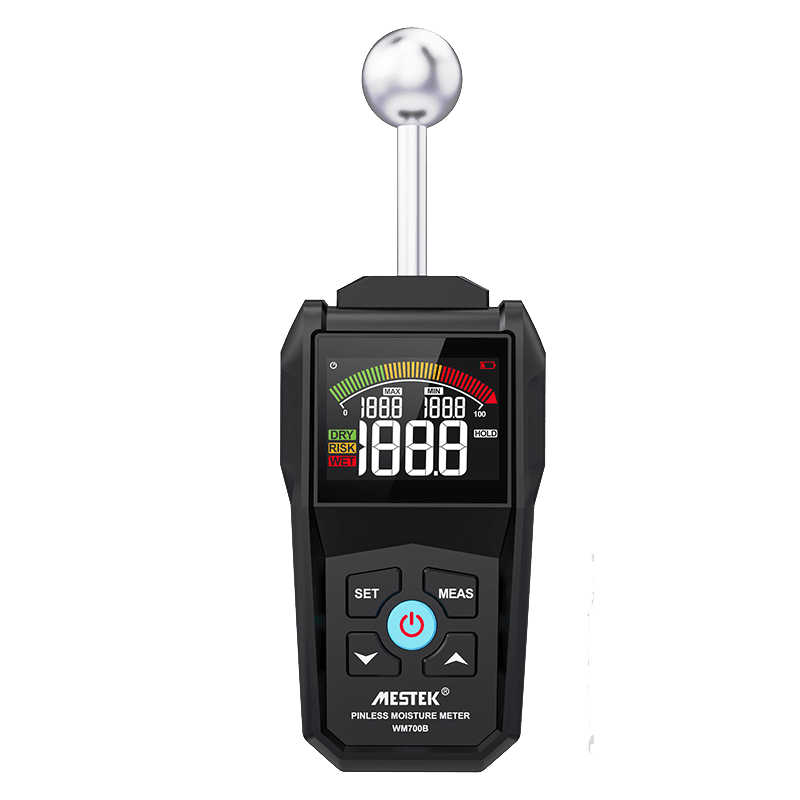
A moisture meter is one of the most reliable tools for detecting water intrusion before visible damage occurs. These devices measure moisture levels inside materials such as wood, drywall, and concrete.
- Pin-type moisture meters penetrate the surface to measure internal moisture content, making them ideal for precise readings in wood and building materials.
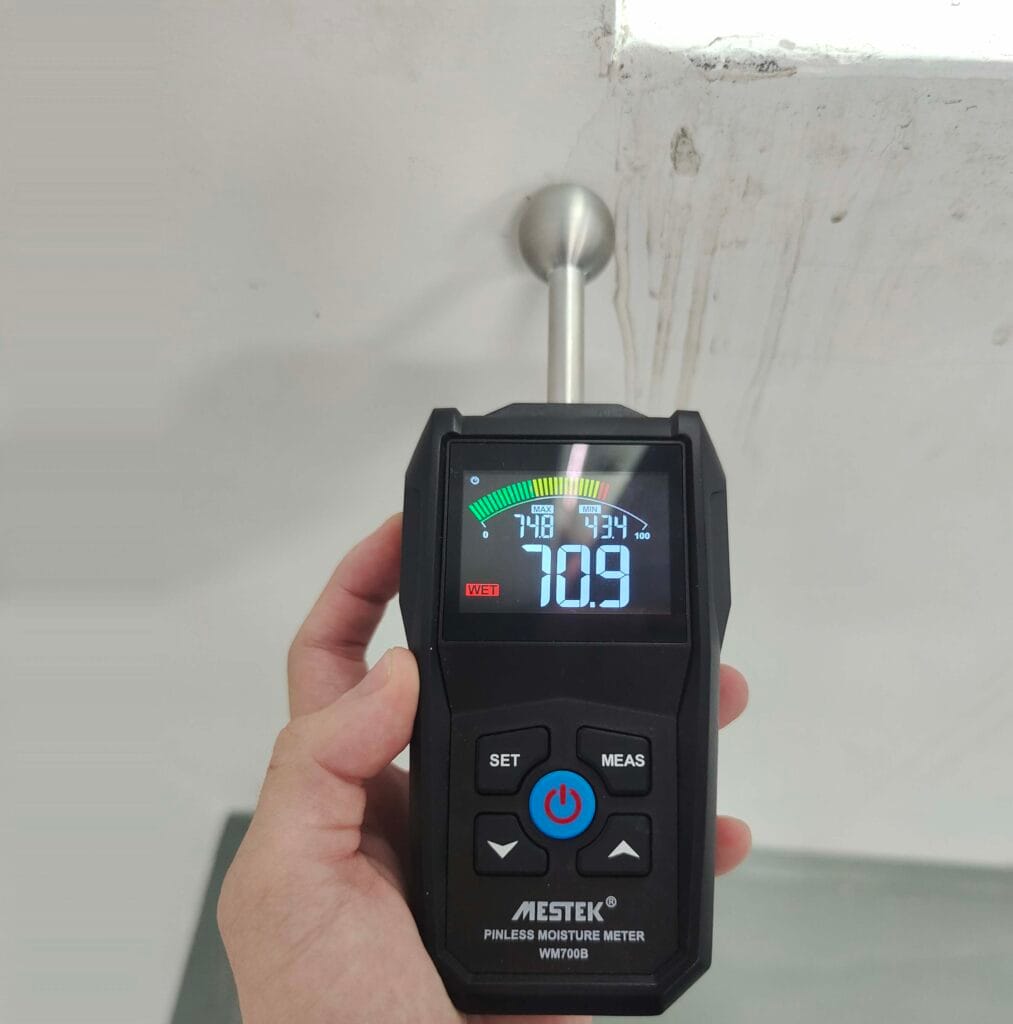
- Pinless moisture meters scan beneath the surface without damage, allowing fast inspection of large areas.
By regularly monitoring moisture levels, building owners and inspectors can identify abnormal readings early and take corrective action before water intrusion worsens.
Why Water Intrusion Is a Serious Problem
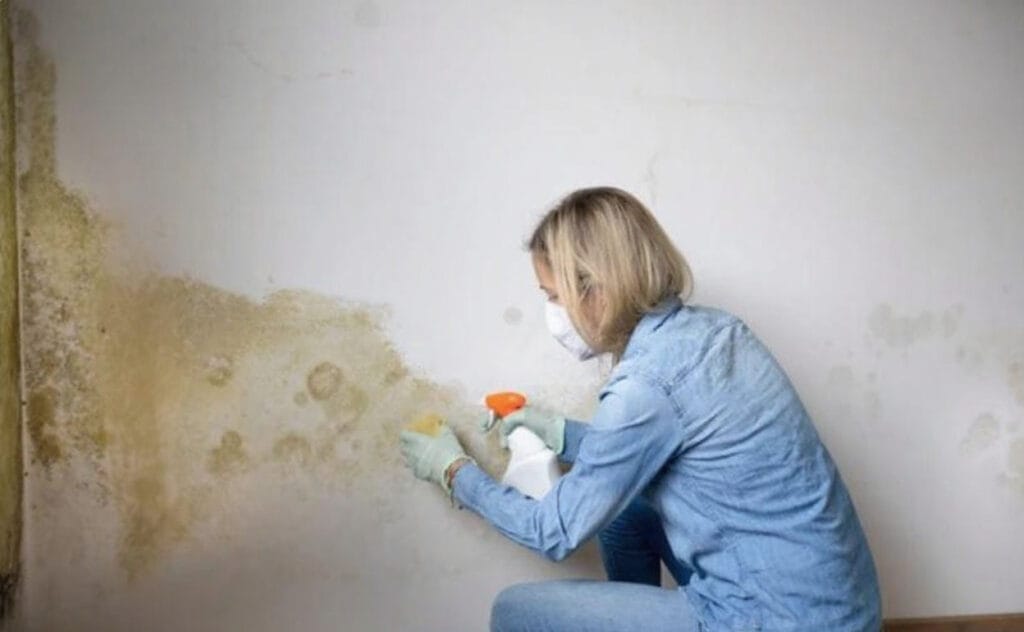
Unchecked water intrusion can lead to severe consequences:
- Structural damage that weakens walls, floors, and foundations
- Health risks caused by mold and mildew exposure
- Increased repair costs due to delayed detection
- Reduced property value and failed inspections
Early moisture detection significantly reduces these risks.
How to Prevent Water Intrusion
Preventive measures can greatly reduce the likelihood of water intrusion:
- Perform regular building inspections
- Seal cracks and joints promptly
- Maintain roofing and drainage systems
- Ensure proper waterproofing around openings
- Monitor moisture levels using a moisture meter
Consistent monitoring is especially important in high-risk areas such as basements, bathrooms, and concrete structures.
FAQs
1. Can a moisture meter detect mold?
Not directly. However high moisture levels (above 20%) creates conditions where mold thrives. Detecting this early helps prevent mold outbreaks.
2. How often should I check for moisture?
Twice a year is ideal especially after seasonal changes or major weather events.
3. Are pinless meters accurate?
Yes—modern pinless meters like the WM700B provide accurate readings for most building materials without surface damage.
4. Can moisture meters work on tile or metal surfaces?
They may provide limited readings on non porous surfaces. Use them on adjacent drywall or wood for accurate results.
Conclusion
Water intrusion is one of the most common and costly problems for homeowners but it doesn’t have to be. Early detection is key to prevention, and moisture meters are the simplest way to do that. Pinless models like the MESTEK WM700B give you fast and non-invasive insights into hidden moisture problems so you can detect leaks before damage occurs. Whether you’re dealing with post flood recovery or routine maintenance a moisture meter lets you take informed and timely action.
Ready to Protect Your Home? Don’t wait for water damage to cost you thousands. Buy the MESTEK WM700B Pinless Moisture Meter today and take control of your home’s safety.