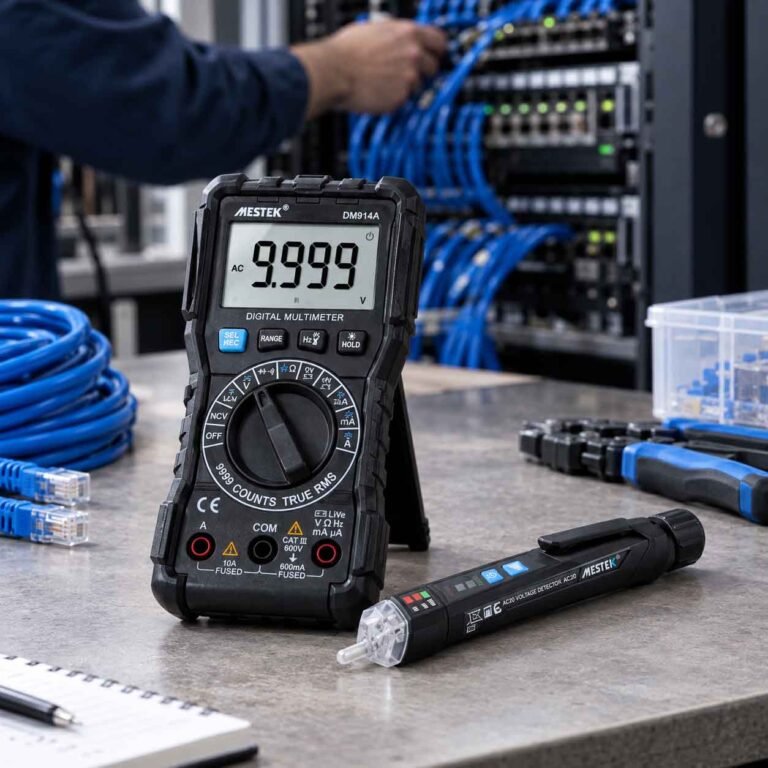
A wood moisture meter is an essential tool for checking moisture content in wood before woodworking, construction, storage, or installation. Excess moisture can cause warping, cracking, mold growth, and long-term structural problems. Knowing how to use a wood moisture meter correctly helps you make informed decisions and avoid costly mistakes.
Why Measuring Moisture Content in Wood Matters
Wood is a hygroscopic material, meaning it naturally absorbs and releases moisture from the surrounding environment. If the moisture level is too high, wood may swell, rot, or develop mold. If it is too low, wood can shrink or crack. Measuring moisture content allows you to confirm whether wood is suitable for its intended use, whether for indoor projects, outdoor applications, or long-term storage.
What Is a Wood Moisture Meter and How Does It Work?
A wood moisture meter is a handheld device designed to measure the amount of moisture inside wood materials. There are two common types:
- Pin-type moisture meters use metal probes that penetrate the wood surface to measure internal moisture levels. They are suitable for precise spot measurements.
- Pinless moisture meters use electromagnetic signals to scan beneath the surface without damaging the wood, making them ideal for quick checks across larger areas.
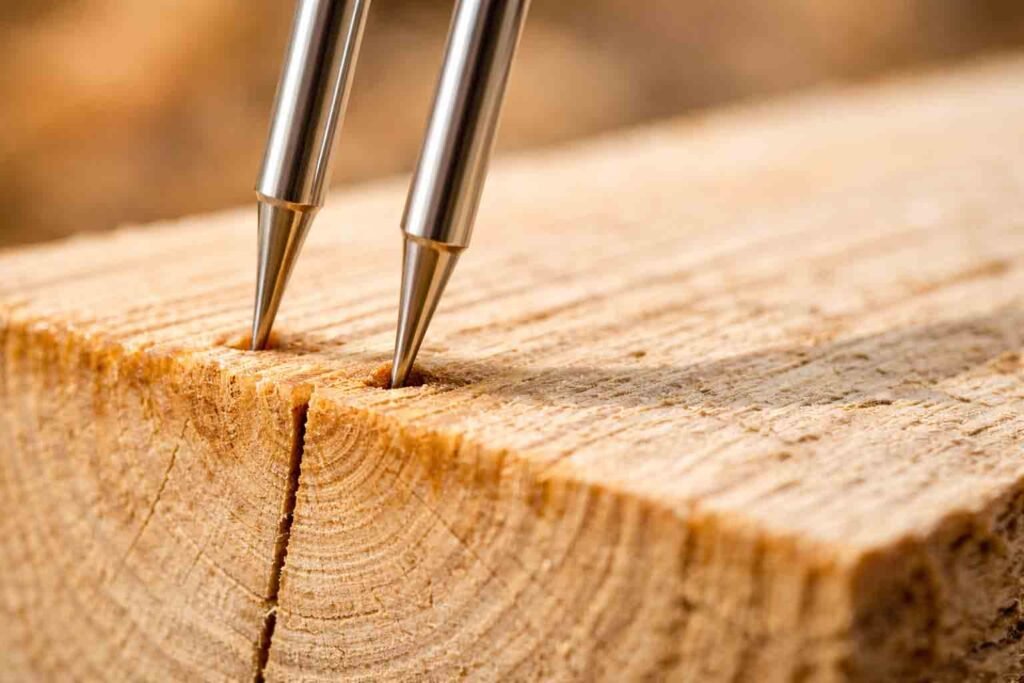
Both types provide valuable data when used correctly and consistently.
Step-by-Step: How to Use a Wood Moisture Meter Correctly
Using a wood moisture meter properly ensures reliable readings and better decision-making.
1. Select the Right Measurement Area
Choose several different spots on the wood, avoiding knots, cracks, and edges. Measuring multiple locations gives a more accurate overall moisture profile.
2. Prepare the Wood Surface
Make sure the surface is clean and free of surface water, dust, or debris. Surface moisture can affect the accuracy of readings.
3. Take Multiple Readings
Place the moisture meter firmly against the wood or insert the pins along the grain direction. Record readings from each location rather than relying on a single measurement.
4. Compare and Record Results
Review the readings together to identify inconsistencies or areas with unusually high moisture content.
This process applies equally when using a moisture tester for logs, lumber, or finished wood products.
Understanding Wood Moisture Meter Readings
Interpreting the results correctly is just as important as taking accurate measurements.
- Below 10%: Typically suitable for indoor furniture and finished wood products
- 10–15%: Acceptable for many indoor and some covered outdoor applications
- Above 20%: Indicates excessive moisture and a higher risk of mold, decay, or deformation
Always consider the environment and final application when evaluating moisture readings.
Common Mistakes When Using a Wood Moisture Meter
Avoid these frequent errors to improve measurement accuracy:
- Measuring only the surface instead of multiple internal points
- Testing near metal fasteners or hidden nails
- Ignoring temperature and environmental conditions
- Using incorrect settings for wood type
- Relying on a single reading
Correct technique significantly improves reliability.
Tips for Getting More Accurate Moisture Readings
- Allow wood to acclimate to the environment before testing
- Use consistent pressure when taking measurements
- Measure along the wood grain whenever possible
- Calibrate the moisture meter regularly
- Keep the device clean and properly stored
These simple practices help maintain consistent results over time.
FAQ
What is a good moisture reading for wood?
A moisture level between 6% and 12% is generally considered safe for most indoor woodworking projects.
Can a moisture meter be used on logs?
Yes. A wood moisture meter can be used on logs, but readings should be taken from freshly split surfaces for better accuracy.
Pin or pinless moisture meter for wood?
Pin-type meters are better for precise depth readings, while pinless meters are ideal for quick, non-invasive inspections.
Conclusion
Using a wood moisture meter correctly helps prevent material failure, improves project quality, and ensures long-term performance across a wide range of wood applications.